
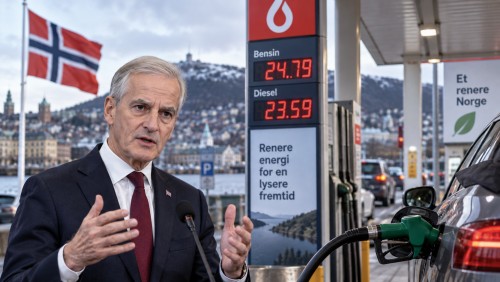
The Norwegian government is facing renewed pressure to cut fuel taxes as global oil prices surge, impacting local petrol and diesel costs. This comes after temporary fuel tax relief expired on September 1, sparking fresh debates in Parliament.
Prime Minister Jonas Gahr Støre’s administration is being urged to address the financial strain on households and businesses caused by the rising fuel prices. The Center Party has announced plans to propose reinstating the tax reduction when Parliament reconvenes in October. If approved, this move could lower fuel prices by approximately NOK 4.50 per litre, a proposal already backed by the Progress Party and the Christian Democrats.
Progress Party leader Sylvi Listhaug has been vocal about the issue, emphasizing the burden high fuel costs place on industries like transport and construction. The party is also pushing the Conservative Party to support these tax cuts and has called for an earlier parliamentary session to tackle the matter. The Conservative Party is experiencing internal pressure, with reports indicating that over 60 local chapters are advocating for reduced fuel taxes, particularly in areas heavily reliant on car travel due to limited public transport options.
Despite Norway’s significant oil production capabilities and the increasing prevalence of electric vehicles, many sectors and households remain dependent on traditional fuels. The high fuel costs have driven some Norwegians to seek cheaper alternatives across the border in Sweden, highlighting the cross-border impact of the price hikes.