
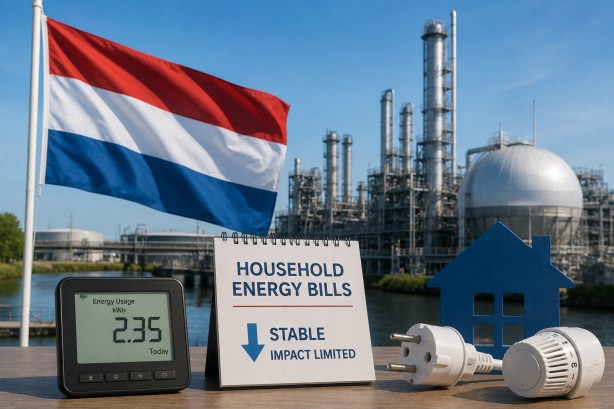
The ongoing conflict in Iran has led to higher energy prices, but Dutch households have seen minimal effects on their energy bills so far this year. During the first six months, the average monthly energy cost for families in the Netherlands hovered around €160, a figure that has remained relatively unchanged despite the rise in gas prices.
While gas has become more expensive, electricity prices have stayed close to their previous levels. As a result, many households renewing their energy contracts are securing rates akin to those they paid in the past, which has helped maintain stability in overall energy costs. This situation is notably different from the 2022 energy crisis, when energy bills surged sharply following the Russian invasion of Ukraine.
In contrast, fuel costs have seen a more significant increase. Between March and July, Dutch households spent an average of €765 at petrol stations, a rise from the €708 spent during the same period last year. Although pump prices have climbed, the less pronounced increase in overall fuel spending suggests that some households are adjusting their habits, possibly by driving less or opting for cheaper fuel options to cope with the rising expenses.
The combination of stable electricity rates and strategic consumer behavior has helped shield Dutch households from the full brunt of the higher energy costs spurred by the geopolitical situation. While energy contract renewals have provided some relief, the noticeable uptick in fuel spending indicates that challenges remain for consumers as they navigate increasing prices.