
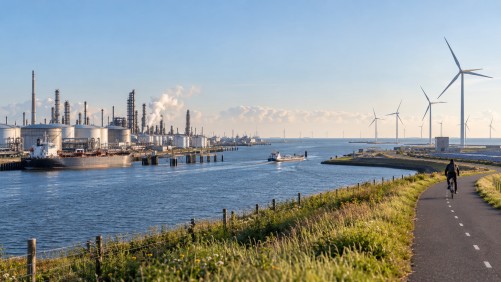
The Netherlands has unveiled a comprehensive roadmap to phase out fossil fuels, making it the second country after France to release such a detailed plan. This initiative comes in anticipation of the upcoming UN Climate Change Conference in Turkey and is part of broader global discussions on reducing reliance on oil, gas, and coal.
Central to the Dutch plan is the commitment to cease using coal-fired power plants for electricity by 2030. However, the nation has tempered some of its other climate objectives, including reducing its offshore wind capacity and abandoning a prior goal to achieve a carbon-free electricity network by 2035. Additionally, the Netherlands is projected to fall short of the European Union’s target of a 90% reduction in emissions by 2040.
While climate experts have lauded the roadmap as a pivotal step in defining the Netherlands’ long-term energy strategy, environmental advocates have criticized it for lacking a definitive deadline to completely eradicate fossil fuel use. The document outlines the Dutch government’s intention to actively contribute to international climate change mitigation efforts.
In comparison, France, the pioneer in publishing a national fossil fuel phase-out roadmap, has outlined plans to eliminate coal by 2030, oil by 2045, and gas by 2050. As countries worldwide grapple with the transition to cleaner energy sources, these roadmaps serve as critical frameworks guiding national and international policy.