
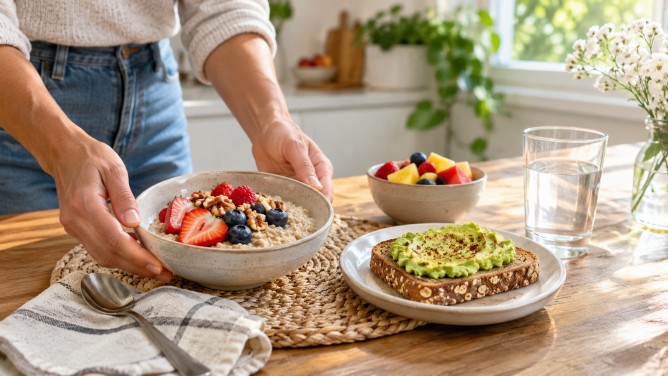
Starting your day with a heart-healthy breakfast can significantly contribute to better overall health. Many traditional breakfast choices often contain refined carbohydrates, high salt, added sugars, or unhealthy fats. However, making simple adjustments to these meals can enhance their nutritional value and support heart health without sacrificing taste.
Incorporating healthier ingredients into familiar breakfast options is a straightforward approach. For instance, adding vegetables to dishes like poha, upma, and paratha can boost fiber and nutrient intake. Opting for whole grains by choosing ragi or millet-based idli and dosa, and preparing besan or moong dal chilla can provide a protein-rich start to the day. Additionally, reducing the amount of salt, oil, and pickle served with meals and avoiding deep-frying can make these dishes more heart-friendly.
The method of cooking also plays a crucial role in maintaining the nutritional value of breakfast foods. Using less cooking oil and favoring methods such as steaming, roasting, or light sautéing can make a significant difference. It’s also advisable to be mindful of the type of cooking oil used, limiting saturated fats and avoiding repeatedly heated oils. Including fresh vegetables and minimizing the use of salt and butter can further enhance meal healthiness.
For those who opt for packaged breakfast foods, reading nutrition labels is essential. It’s important to check for high sodium levels, added sugars, trans fats, and dietary fiber content. Opting for plain oats with curd or yogurt, and enhancing them with fresh fruits, nuts, and seeds, can be a convenient and nutritious choice.
Limiting sugary breakfast items like muffins, sweetened pancakes, waffles, and fruit juices can help maintain a balanced diet. Instead, choosing whole fruits such as apples, oranges, or guavas provides essential fiber, vitamins, and minerals, making them a healthier choice than fruit juices.
A balanced breakfast should include a mix of protein, fiber, and healthy fats. Incorporating foods such as Greek yogurt, lentils, paneer, eggs, oats, whole grains, almonds, walnuts, flaxseeds, and chia seeds can help keep you full longer and support overall health. For non-vegetarians, selecting lean protein sources like boiled eggs or lightly cooked poultry, and pairing them with vegetables and whole grains, can create a more balanced meal.
Ultimately, supporting heart health through breakfast involves making informed food choices. By reducing excess salt and sugar, choosing whole grains, adding protein, and including fresh fruits and vegetables, you can create a nutritious start to your day with simple, sustainable changes.