
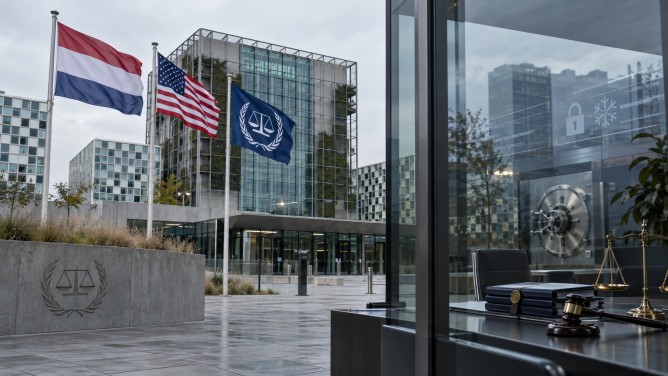
The Netherlands is bracing for the impact of potential new U.S. sanctions against the International Criminal Court (ICC) as tensions mount between Washington and the tribunal. Dutch officials are considering measures to support the ICC’s continued operations, which may be affected if the sanctions disrupt the court’s access to financial and other services.
The Trump administration has already targeted several ICC officials with sanctions, including judges and senior legal personnel, due to the court’s investigations involving American and Israeli officials. Washington has accused the ICC of overstepping its authority, and there are concerns that further sanctions could extend to the institution itself, potentially affecting transactions with U.S. companies and services.
In response, the ICC has been proactively shifting some of its services away from U.S.-based providers and reassessing its financial and technological arrangements. The Netherlands, as the host country of the ICC, has been engaged in discussions to mitigate any adverse effects from possible sanctions on the tribunal’s operations, such as staff payments, witness protection, and maintaining detention facilities.
The ICC, headquartered in The Hague since its establishment in 2002, is charged with investigating and prosecuting individuals accused of serious crimes like genocide, crimes against humanity, and war crimes when national jurisdictions fail to do so. The potential sanctions could limit the court’s capabilities, affecting its banking, insurance, and technology operations.
As the situation develops, the Netherlands remains committed to ensuring the ICC can fulfill its mandate, despite the challenges posed by the diplomatic standoff with the United States.