
President Volodymyr Zelensky is presenting the world with a stark paradox: to end the war, he needs more weapons. His recent appeals combine calls for peace and diplomacy with his most urgent demands yet for advanced military hardware, framing the two as inextricably linked.
This seeming contradiction is the essence of his “peace through strength” philosophy. He argues that Russia, as the aggressor, has no incentive to negotiate genuinely while it can still achieve its aims through force. “Only peace through strength can bring results,” he stated, making his position clear.
Therefore, in Zelensky’s view, every Patriot missile battery that protects a city and every Russian drone that is shot down is a step towards peace. These defensive victories, he contends, are what will “compel Moscow to the table” by demonstrating the futility of its military campaign.
He uses the Gaza peace deal as a diplomatic ideal but implies that the conditions for such a deal do not yet exist for Ukraine. He is asking his partners to help him create those conditions by providing the “vital systems” needed to neutralize Russia’s offensive capabilities.
This paradoxical strategy asks allies to make a significant investment in military aid as their primary contribution to the peace process. Zelensky is betting that they will understand his logic: that the surest way to stop the fighting is to make it impossible for the aggressor to win.
The Paradox of Peace: Why Zelensky is Demanding More Weapons to End the War
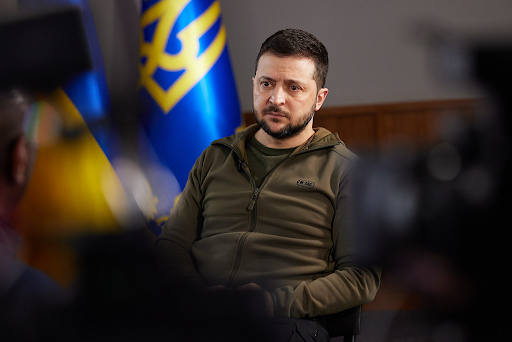
Picture Credit: www.flickr.com
22