
Russian Foreign Minister Sergei Lavrov’s insistence on “utmost thoroughness” in preparing for a potential leadership summit has become a significant diplomatic hurdle, directly challenging the accelerated two-week timeline promoted by the United States. This statement encapsulates Russia’s cautious and deliberate approach to the high-stakes negotiations.
While the White House, citing a phone call between President Trump and President Putin, has confidently declared that a meeting is imminent, Lavrov’s words serve as a public brake on that momentum. In diplomatic parlance, the call for thorough preparation is often a signal that a country will not be rushed and intends to control the pace and preconditions of any engagement.
This “Lavrov Doctrine” of meticulous planning contrasts sharply with the American desire for a swift diplomatic victory. It suggests that Moscow may seek a series of lower-level meetings to hash out details and potential outcomes before committing President Putin to a face-to-face meeting with President Zelenskyy.
The tension between these two approaches—American urgency and Russian deliberation—will define the next phase of this peace process. Whether a summit happens in two weeks or two months will depend on which side’s diplomatic philosophy prevails, all while the conflict continues to unfold.
The Lavrov Doctrine: Russia’s Insistence on ‘Thoroughness’ Challenges US Timeline
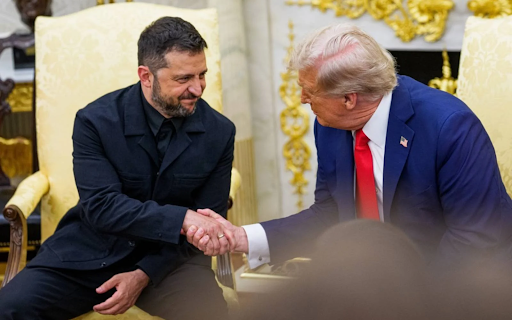
Picture Credit: www.freemalaysiatoday.com
43