
A spending deal endorsed by President Trump and negotiated with Senate Democrats offers a potential roadmap to prevent government shutdown while splitting immigration enforcement funding from broader budget battles. Trump’s Thursday support came with acknowledgment of continued uncertainty, as he told reporters shutdown could still occur despite the framework agreement. The compromise reflects an attempt to balance competing imperatives: maintaining essential government operations while creating space for immigration enforcement debates.
The agreement’s structure strategically removes Department of Homeland Security appropriations from the comprehensive spending package covering most federal agencies. This separation allows lawmakers to potentially secure resources for defense, healthcare, and other critical functions before Friday’s midnight deadline, while extending DHS operations for only two additional weeks. The approach emerged as Senate Democrats made clear they would block all funding unless the administration created pathways for immigration enforcement reform discussions.
Senate Democrats have crystallized their concerns into specific operational demands including prohibitions on roving patrols, requirements for body cameras during all enforcement activities, and bans on agents wearing face masks. These proposals represent more than symbolic gestures, potentially reshaping how immigration enforcement operates through establishing new accountability mechanisms. The fatal shooting of nurse Alex Pretti by federal agents in Minneapolis provided both political leverage and moral justification for Democratic obstruction and reform demands.
The Trump administration faces critical decisions during the two-week DHS funding extension about how to respond to Democratic demands. Aggressive immigration enforcement has been a cornerstone policy achievement and political priority, creating resistance to reforms that might constrain enforcement authority. However, public outcry following recent shootings has generated political pressure to demonstrate responsiveness to accountability concerns. Whether these competing pressures can be reconciled within the brief timeline remains highly uncertain.
Practical obstacles threaten even this carefully negotiated framework. House Speaker Mike Johnson’s comments about difficulties recalling members from scheduled break suggest that procedural realities could produce a brief weekend shutdown despite conceptual agreement. Trump’s social media appeal for bipartisan support acknowledges that success requires votes from both parties, each facing internal pressures and skepticism about compromise. The coming days will test whether this represents a viable solution or merely postpones confrontation over immigration enforcement practices that touch on fundamental questions about accountability, civil liberties, and appropriate use of federal power.
Trump Endorses Senate Agreement Splitting Immigration Enforcement from Shutdown Fight
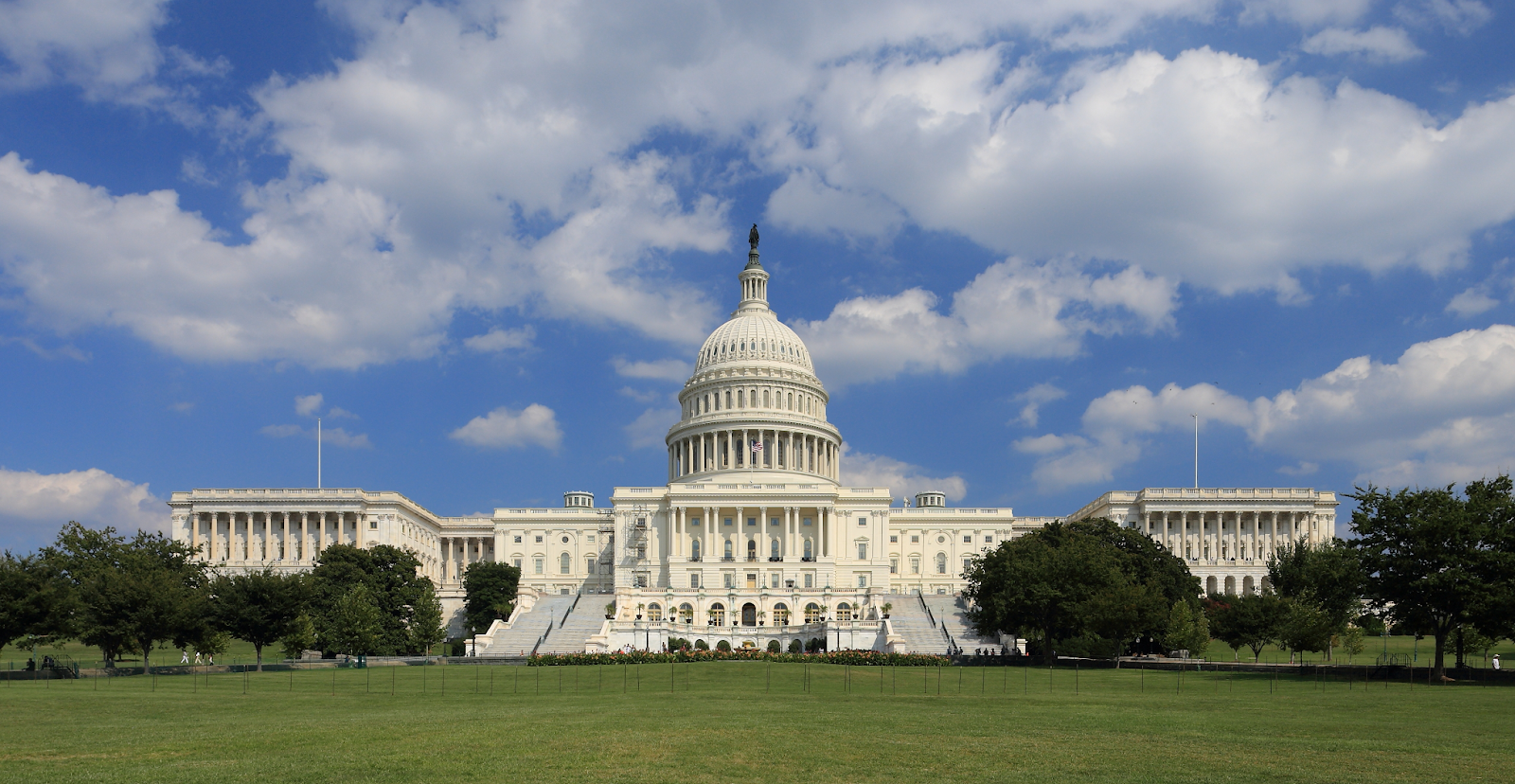
Photo by Martin Falbisoner, via wikimedia commons
5