
Thursday’s coalition video conference represents a critical juncture for international Ukraine support as approximately 30 nations must decide whether to maintain unified backing despite American ambivalence and Russian military momentum. President Zelenskyy will present Ukraine’s revised peace framework attempting to rally opposition to President Trump’s proposals favoring Russian interests, testing whether shared concerns about rewarding aggression translate into sustained coordinated support. The meeting’s outcome may determine whether Ukraine retains meaningful international backing or faces isolation forcing acceptance of unfavorable peace terms.
The confluence of challenges facing Ukrainian leadership creates unprecedented urgency for Thursday’s coordination efforts. Zelenskyy must address Trump’s criticism of Ukraine’s democratic legitimacy, counter peace proposals including territorial concessions, respond to demands for wartime elections, manage corruption scandals forcing advisor dismissals, and rally international support while Russian forces advance against strategic objectives. The combination of pressures operating simultaneously threatens to overwhelm Ukrainian capacity for effective response despite Zelenskyy’s demonstrated skill at navigating complex diplomatic challenges.
European partners face their own dilemmas about maintaining support when American leadership questions continued assistance and when military realities suggest Ukrainian defensive capabilities may be unsustainable without massive additional investment. The challenge involves deciding whether to provide resources attempting to alter battlefield trajectories or accept that current military dynamics make unfavorable peace terms increasingly inevitable regardless of international preferences. European unity depends on consensus about these fundamental strategic questions that remain deeply contested among member states with different priorities and constraints.
Russian officials observe Thursday’s meeting calculating whether sustained pressure will finally fracture western unity that has persisted through nearly three years of warfare. Moscow has enthusiastically embraced Trump’s peace initiative while maintaining military operations, betting that combination of diplomatic encouragement to America and battlefield gains will eventually force Ukrainian acceptance of favorable terms despite European reluctance. The Russian strategy depends on outlasting western willingness to sustain support at levels necessary for Ukrainian effective resistance.
Thursday’s coalition video conference outcome will indicate whether the international system maintains capacity for coordinated responses to aggression or whether powerful nations can achieve territorial gains through military force receiving eventual diplomatic recognition. President Zelenskyy’s success rallying support against unfavorable peace terms determines whether Ukraine retains options for continued resistance or faces isolation forcing acceptance of territorial concessions rewarding Russian aggression. As approximately 30 nations participate in discussions addressing these fundamental questions about international order, sovereignty, and effective responses to military aggression, the meeting represents a critical juncture whose outcomes extend far beyond Ukraine to affect broader questions about maintaining rules-based international stability in an era of great power competition and renewed territorial revisionism.
Thursday Coalition Meeting Represents Critical Juncture for International Ukraine Support
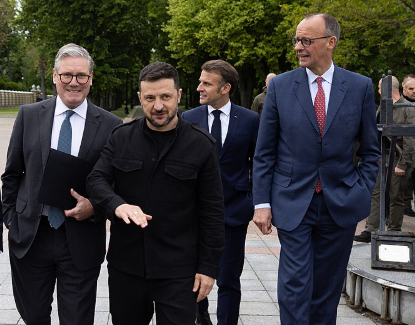
Picture credit: www.commons.wikimedia.org
24