
A government’s attempt to control the flow of information backfired catastrophically in Nepal, triggering a wave of deadly violence and political chaos. The move to ban social media was intended to quell dissent, but instead, it became the digital trigger for a nationwide eruption of anger, demonstrating the perils of underestimating a connected and frustrated populace.
The powder keg of this conflict was the nation’s youth, a generation grappling with a staggering 20% unemployment rate. For them, social media was more than just a tool for communication; it was a space for community, a platform for voicing grievances, and a window to a world of opportunities they felt denied. The ban was perceived as the establishment slamming this window shut, directly targeting their last remaining outlet for expression.
This digital-savvy but economically marginalized generation was already seething over systemic issues. Widespread government corruption and the blatant nepotism that placed connections above merit had eroded public trust. The stark inequality, where a political class lived in luxury while young people struggled for basic employment, had fostered a deep and bitter resentment. The atmosphere was ripe for conflict.
Ultimately, the social media ban did not create the anger; it simply focused it. It was a critical miscalculation that unified disparate groups of discontented citizens under a single cause. The ensuing turmoil serves as a powerful reminder that in the 21st century, trying to silence a generation digitally can have explosive consequences in the real world.
The Digital Trigger: Why Silencing a Generation Caused a Political Meltdown
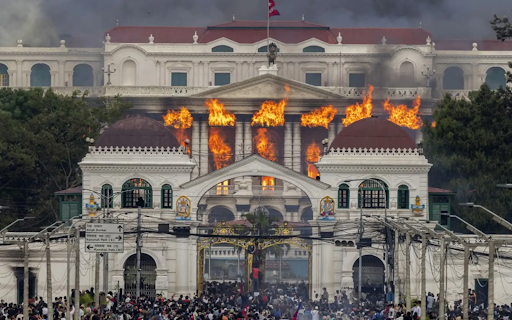
Picture Credit: www.freemalaysiatoday.com
39