
President Donald Trump’s proposal for a “swapping of territories” to end the Ukraine war is a central, and highly controversial, component of his diplomatic strategy. Unpacking this idea reveals a pragmatic but potentially dangerous approach to peace-making ahead of his meeting with Vladimir Putin.
At its core, the proposal seems to be a form of realpolitik, acknowledging that Russia is unlikely to voluntarily relinquish all the territory it has captured. The “swap” would likely involve Ukraine ceding sovereignty over areas like Crimea and parts of Donetsk in exchange for a Russian withdrawal from other regions and a formal end to hostilities.
The perceived advantage of this approach is that it could provide a faster path to ending the bloodshed than demanding a complete Russian defeat. Trump framed it as being for the “betterment of both,” suggesting a focus on a practical settlement rather than a total victory for one side.
However, the disadvantages are profound. It would set a precedent that aggression can be rewarded with territorial gain. It would be seen as a betrayal by millions of Ukrainians who have been displaced or have fought to defend their land. And it could create a permanently unstable “peace,” with a resentful Ukraine poised to reclaim its lost territories in the future. The viability of this “art of the swap” will be tested in Alaska.
The Art of the Swap: Unpacking Trump’s Territorial Peace Proposal
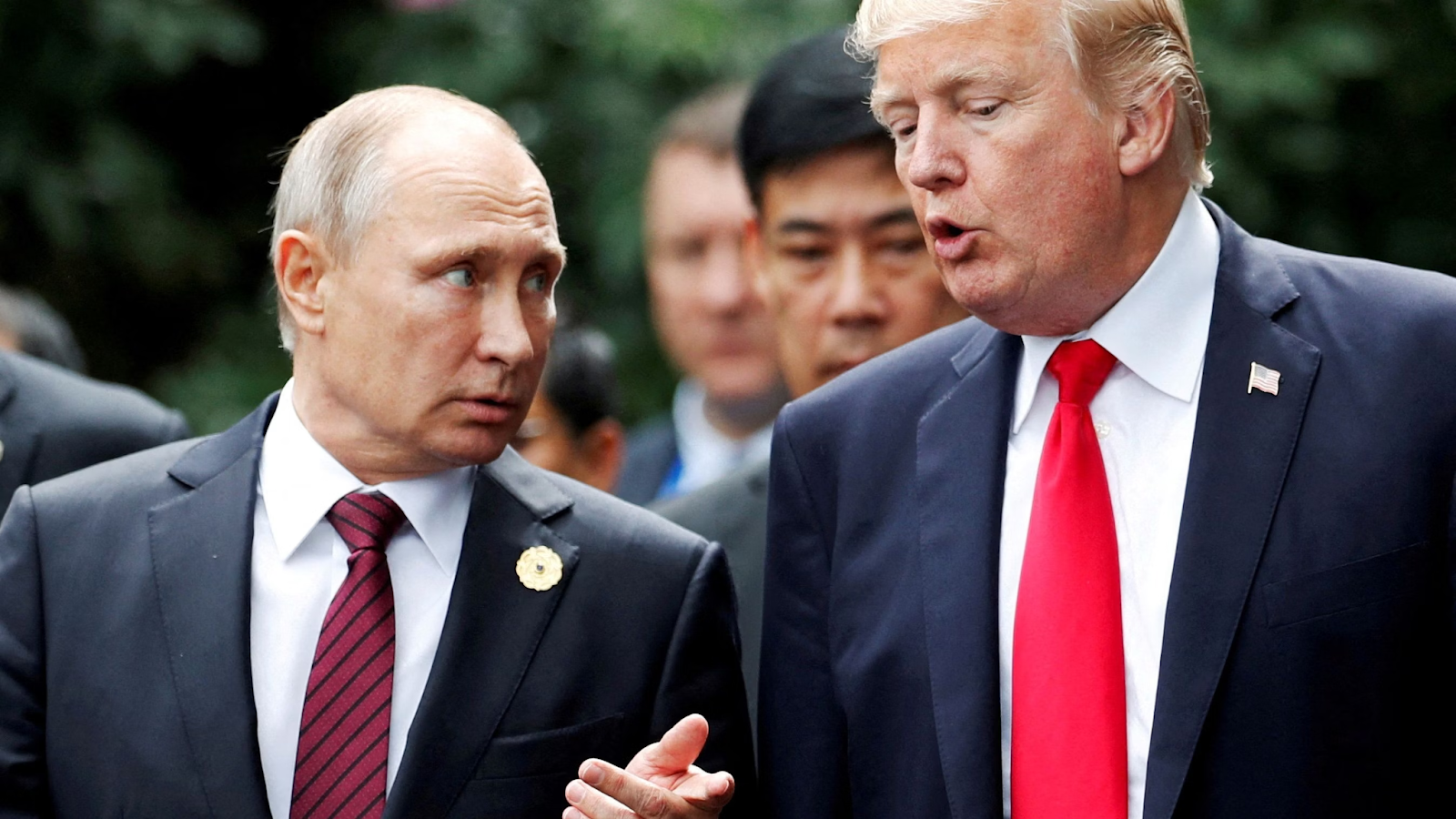
Picture Credit: www.heute.at
51