
Liverpool’s willingness to sacrifice attacking flair for defensive stability against West Ham represented a pragmatic shift in priorities that would have been unthinkable during their previous era. The decision to bench Mohamed Salah and deploy a more defensively responsible formation acknowledged that sometimes survival requires compromise, even at elite clubs.
This pragmatism contrasts sharply with Liverpool’s recent identity as an attacking-minded team that outscored opponents rather than shutting them out. Under previous management, the philosophy emphasized overwhelming opponents with attacking power, accepting defensive risks as the price of offensive excellence. Arne Slot’s approach reverses these priorities during crisis periods.
The shift reflects lessons learned from Liverpool’s recent defensive catastrophes. When conceding three or more goals becomes routine, no amount of attacking brilliance compensates for defensive inadequacy. Slot recognized that stabilizing the defense must precede rebuilding attacking fluency, even if this means temporary reduction in offensive threat.
Against West Ham, the pragmatic approach worked. Liverpool kept a clean sheet while creating enough chances to win comfortably. The football wasn’t exciting, but it was effective—precisely what pragmatism demands. Beauty can return once foundations are secure; survival requires ugly effectiveness first.
This pragmatic phase will hopefully prove temporary. As confidence returns and defensive stability becomes established, Liverpool can gradually reintroduce attacking ambition without compromising defensive security. The challenge is finding the right balance, maintaining pragmatism’s benefits while recapturing the attacking excitement that defined Liverpool’s best periods. For now, though, pragmatism over purity represents the necessary path forward from crisis to competitiveness.
Sacrificing Attacking Flair for Defensive Stability Marks Pragmatic Shift
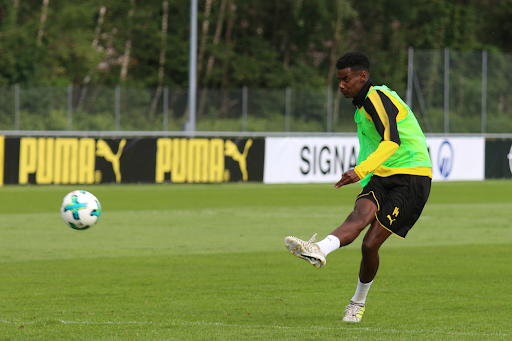
Picture credit: www.commons.wikimedia.org
18
previous post