
Next week will witness another crucial round of trade negotiations between the United States and India as a Trump administration delegation travels to New Delhi. Deputy US Trade Representative Rick Switzer will guide the American team in discussions aimed at crafting a comprehensive trade framework that resolves outstanding commercial disputes between the two nations through a reciprocal approach.
An American official verified the upcoming visit while speaking anonymously, though specific information about the delegation’s itinerary was not provided. The negotiations arrive at a critical juncture for India, where businesses and workers have felt the harsh impact of 50% tariffs on exports to the United States.
Prime Minister Modi’s government has made securing an initial agreement with Washington a top diplomatic priority, viewing tariff relief as essential for protecting key sectors of India’s economy that have been severely impacted by these duties. Commerce Secretary Rajesh Agrawal recently expressed strong optimism about reaching a resolution within the current year, emphasizing at an industry gathering that the focus should be on developing a framework trade deal that addresses reciprocal tariff concerns in a balanced manner.
The proposed trade understanding is being designed for phased implementation, with initial efforts concentrated on resolving the retaliatory tariffs that President Trump imposed on Indian goods. These duties include penalties related to India’s historical energy purchases from Russia. However, diplomatic relations have improved considerably after India curtailed its Russian oil imports, creating favorable conditions for a reciprocal trade approach.
President Trump remarked last month that duty reductions on Indian merchandise would eventually be implemented and indicated both sides were getting close to reaching consensus. Multiple rounds of negotiations have already occurred between American and Indian representatives, with officials in New Delhi expressing cautious but genuine hope for a breakthrough. The urgency is heightened by the reality that the US is India’s largest export market, and existing tariffs have severely damaged labor-intensive sectors such as textiles, leather, footwear, and jewelry manufacturing that are crucial to India’s economy.
Reciprocal Trade Approach Central to Emerging US-India Agreement
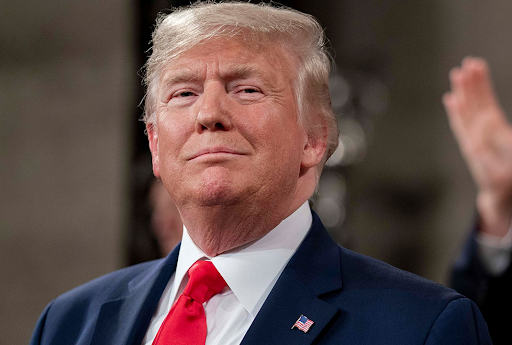
Picture credit: www.rawpixel.com
16