
Iran’s explicit threat to push global oil to $200 per barrel represented something markets had long feared: a major producing nation deliberately weaponizing its oil supply as a tool of military and economic coercion. With prices already above $100, analysts were warning that the worst of the market disruption may still be ahead.
Israeli strikes on oil storage and fuel distribution facilities near Tehran killed four workers and blanketed the Iranian capital in smoke. Iran produces roughly four percent of global oil supply, much of it exported to China, and any sustained disruption to that flow would have immediate consequences for energy prices in Asia and beyond.
Iran’s Revolutionary Guards made the economic threat explicit, warning Gulf states that continued facilitation of attacks on Iranian energy infrastructure would result in similar strikes against their own oil facilities. Saudi Arabia, the UAE, Qatar, Bahrain, and Kuwait were all hit over the weekend, confirming that the threat was not merely rhetorical.
Saudi forces intercepted 15 drones, Bahrain’s desalination plant was damaged, two civilians died in Saudi Arabia, and a seventh US service member was killed in an Iranian attack. Reports of Russian intelligence assistance to Iran in targeting US military assets raised the geopolitical stakes of the conflict to a new level.
Iran’s clerical body appointed Mojtaba Khamenei as supreme leader following his father’s death, the first hereditary transfer of the position in the Islamic Republic’s history. With a new hardline leader, a military operating independently of civilian oversight, and oil above $100, the world’s energy markets faced a period of sustained uncertainty unlike anything seen in years.
Oil Demand Fears Rise as Iran Threatens to Cut Global Supply at the Source
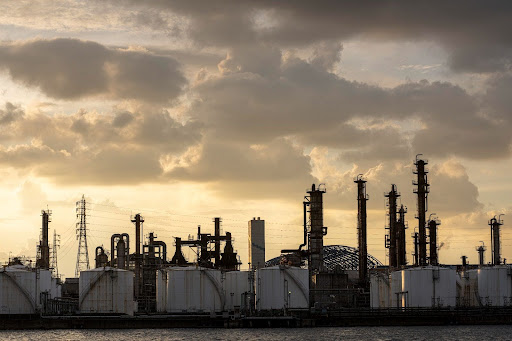
Picture Credit: www.freepik.com
25