
The diplomatic standoff over whether the U.S. “opposes” or “does not support” Taiwanese independence involves more than just words; it is deeply connected to Taiwan’s dominance in the global semiconductor industry. As China pressures the Trump administration for a policy shift, the island’s role as a “global chip hub” adds a critical layer of economic and technological complexity to the decision.
Taiwan is the world’s leading manufacturer of advanced microchips, a component essential for everything from smartphones and computers to advanced military hardware. This technological prowess gives the island immense strategic importance, both for the United States, which relies on its supply chains, and for China, which seeks to control them as part of its own tech ambitions.
Beijing’s demand for a U.S. policy change can be seen as part of its broader strategy to gain leverage over this vital industry. By diplomatically isolating Taiwan, China hopes to make the island more susceptible to its influence, potentially disrupting the technology ecosystem that currently benefits the U.S. and its allies.
This puts the Trump administration in a difficult position. On one hand, maintaining the current policy of “strategic ambiguity” supports a key democratic and technological partner. On the other hand, the ongoing trade negotiations with China cover technology transfers and market access. The article notes that a U.S.-Taiwan trade deal remains unsigned despite multiple rounds of talks, highlighting the sensitivity of balancing these economic relationships.
Ultimately, any decision on the diplomatic language will have ripple effects on the global tech war. A concession to China could be interpreted as a weakening of U.S. resolve to protect critical supply chains, while a firm stance would underscore the strategic importance of keeping Taiwan and its indispensable chip industry out of Beijing’s reach.
More Than Words: Is Taiwan’s Chip Dominance a Factor in US Standoff?
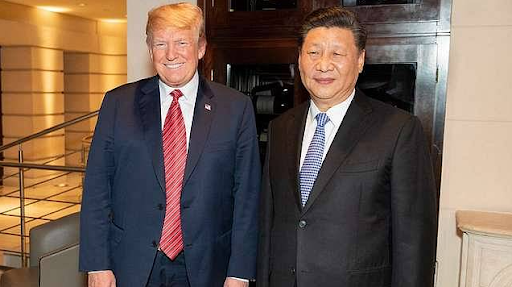
Picture Credit: www.rawpixel.com
43