
In what could be a historic policy shift for his administration, Donald Trump has publicly rejected the possibility of an Israeli annexation of the West Bank. This move aligns the United States more closely with the long-standing international consensus that opposes unilateral changes to the territory’s status, a position that many had thought Trump might abandon. His declaration, “Nope, I will not allow it,” marks a pivotal moment in his approach to the conflict.
This apparent shift is particularly significant given the administration’s history of staunch support for Israeli Prime Minister Benjamin Netanyahu’s government. The decision to block annexation directly challenges the ambitions of the far-right elements within Netanyahu’s coalition, who saw Trump’s presidency as their best opportunity to realize their goal of extending Israeli sovereignty over the entire area.
The policy clarification comes after a concerted diplomatic effort by a range of global partners. Fearing a departure from decades of US policy, European allies urged restraint. This message was powerfully reinforced by Arab nations, who warned of the grave consequences of such a move, a campaign that now appears to have been remarkably effective.
This decision touches on the core of the Israeli-Palestinian conflict, which has its roots in the 1967 war and the subsequent, continuous expansion of Israeli settlements. These settlements, now housing 700,000 Israelis, are considered the primary obstacle to the creation of a viable Palestinian state, as envisioned by the international community for decades.
This historic context is crucial as the United States now attempts to broker a deal to end the modern-day tragedy of the Gaza war. The administration’s new 21-point peace plan aims to end a conflict that has caused immense suffering. By taking a more traditional stance on the West Bank, Trump may be hoping to build a broader coalition of support for his Gaza initiative.
In Historic Policy Shift, Trump Rejects Israeli Annexation
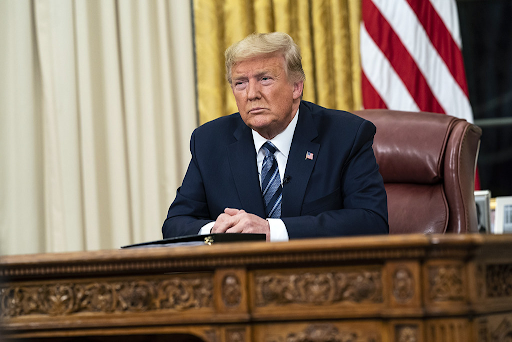
Picture Credit: www.flickr.com
33