
The United States has officially confirmed a significant upgrade to Taiwan’s air defense capabilities with the sale of the National Advanced Surface-to-Air Missile System (NASAMS). Valued at approximately $700 million, this specific missile system has gained global recognition for its effectiveness in Ukraine, where it has been extensively used to intercept Russian aerial threats. This latest procurement represents a strategic move to modernize Taipei’s defensive grid with combat-tested technology that is currently rare in the Indo-Pacific region, with only Australia and Indonesia currently operating similar units.
According to the Pentagon, the contract has been awarded to defense giant RTX, with a definitive completion date set for February 2031. This “firm fixed-price contract” locks in the production of these medium-range air defense solutions, marking a new chapter in Taiwan’s military hardware acquisition. The deal involves obligating nearly $699 million in fiscal 2026 foreign military sales funds, highlighting the long-term planning involved in bolstering the island’s defenses against potential aggression.
This specific sale serves as the capstone to a massive week of arms transactions between Washington and Taipei, bringing the total value of weapons packages approved in a single week to roughly $1 billion. Just days prior, the U.S. approved a $330 million deal for fighter jet and aircraft parts. This rapid succession of approvals underscores the urgency with which the United States is addressing the security balance in the Taiwan Strait, much to the dissatisfaction of Beijing.
Raymond Greene, the de facto U.S. ambassador in Taipei, emphasized the durability of the American commitment during a recent event with the American Chamber of Commerce. describing the relationship as “rock solid.” Greene noted that these financial commitments are being matched by concrete actions aimed at achieving peace through strength. He highlighted specifically that the growing defense industrial cooperation between the two nations is the clearest evidence of this enduring partnership.
The timing of this arms transfer comes as the geopolitical temperature rises across East Asia. Tensions are not limited to the Taiwan Strait; diplomatic friction is worsening between Beijing and Tokyo regarding disputed territories in the East China Sea. With Chinese coast guard ships and drones testing boundaries near Japanese-controlled islands, Taiwan’s Defense Minister Wellington Koo has publicly urged China to abandon the use of force to resolve disputes. As Taiwan constructs its own submarines and fortifies its missile defenses, the introduction of NASAMS adds a critical layer of protection against the “grey zone” warfare tactics currently employed by China’s military.
Battle-Proven in Ukraine, Bound for Taiwan: US Seals $700M Missile Deal
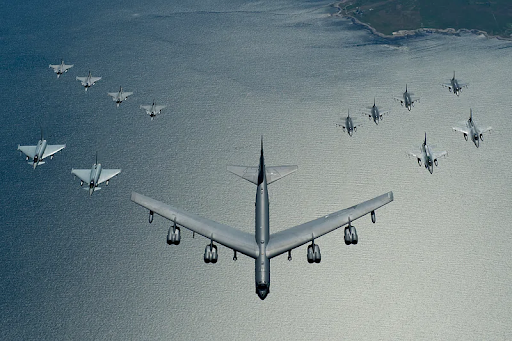
Picture credit: www.rawpixel.com
15
previous post