
The global trade landscape, increasingly chaotic and unpredictable, has forced a surprising truce between two of the UK’s biggest steel manufacturers. Tata Steel and British Steel, long-standing adversaries in a tough market, have joined forces in a targeted collaboration. This alliance was not born of a sudden camaraderie, but of a strategic necessity to overcome daunting US tariffs and their complex regulatory requirements.
At the heart of their cooperation is the need to navigate the American “melted and poured” rule, a piece of trade legislation that poses a significant challenge for international steel producers. Instead of fighting each other for market share while individually struggling with the regulation, they chose a more pragmatic path: working together to solve a shared problem. This move signals a departure from the traditional zero-sum game of industrial competition.
This temporary, issue-specific partnership may offer a vital glimpse into the future of heavy industry. In the 21st century, challenges are rarely confined to a single company. From geopolitical shocks to sweeping environmental regulations, the obstacles are systemic. The ability to identify common ground with a competitor and form a tactical alliance could become the defining feature of a resilient industrial sector.
Consider the colossal task of decarbonization. The development and scaling of technologies like green hydrogen production or carbon capture and storage (CCS) demand investments that can strain even the largest corporate balance sheets. Following the template set by Tata Steel and British Steel, rivals could pool resources for such moonshot projects, jointly lobby for government support, or create shared infrastructure, accelerating progress for the entire sector.
This collaboration is therefore more than just a clever workaround for a trade barrier. It is a powerful precedent, suggesting a future where UK industrial giants operate with greater flexibility. They will remain competitors, but with the added strategic option of becoming partners when faced with a common threat or opportunity. This adaptive, cooperative model may well be the key to survival in an increasingly turbulent world.
A New Industrial Playbook: How US Tariffs Pushed UK Steel Rivals Together
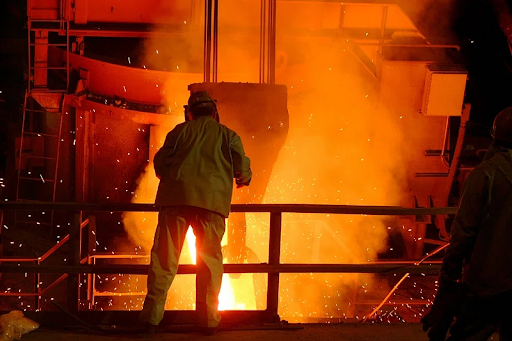
Picture Credit: www.rawpixel.com
28