
Cornwall’s winter solstice heritage represents remarkable legacy extending from Neolithic origins through contemporary celebrations. This inheritance includes physical monuments that persist across millennia, astronomical knowledge encoded in their alignments, cosmological beliefs they embody, and living cultural traditions maintaining connections to prehistoric foundations. Together, these elements create multifaceted legacy that continues shaping regional identity and cultural practices.
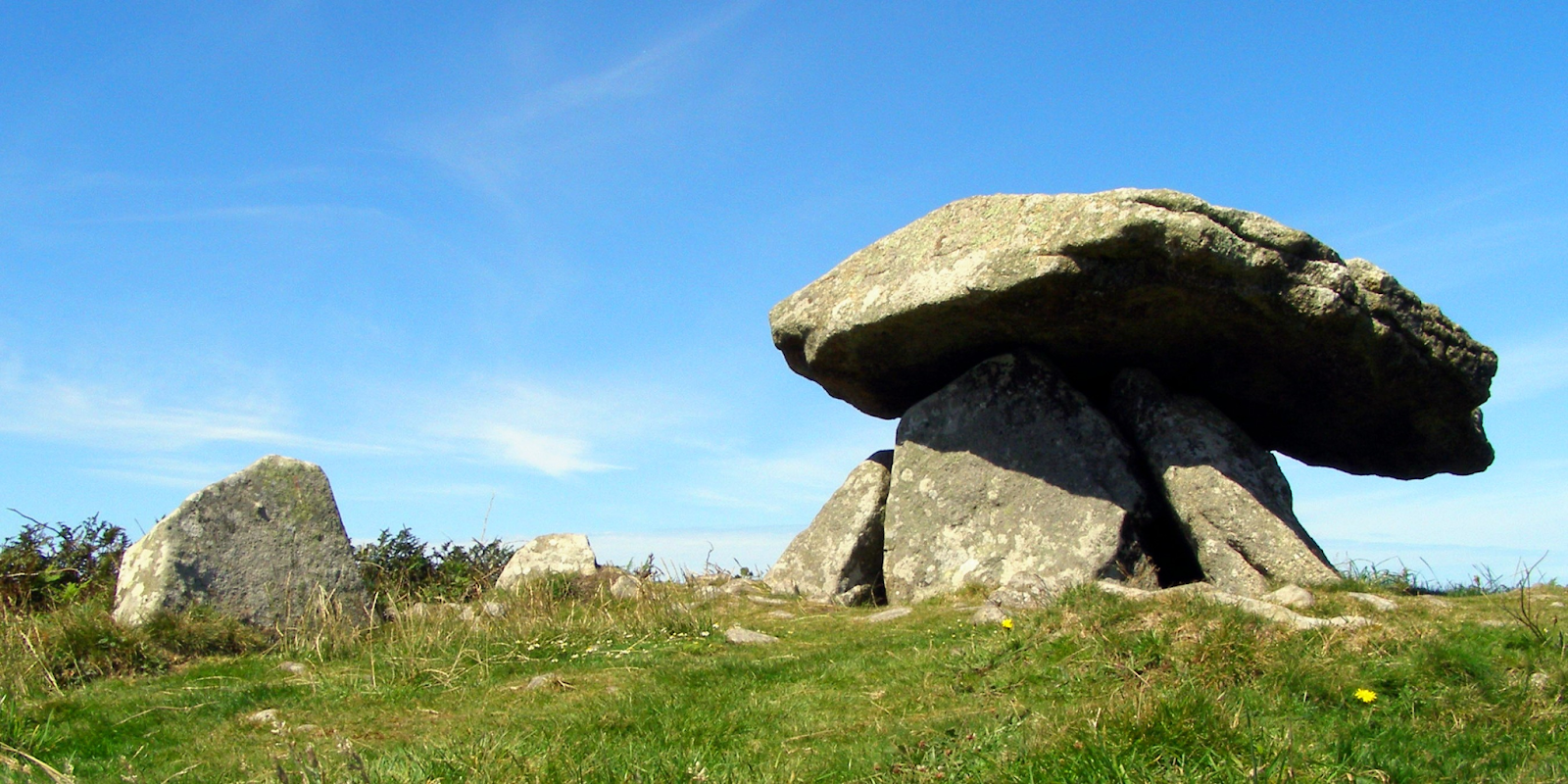
The material legacy appears in granite monuments scattered across the Land’s End peninsula. Structures like Chûn Quoit, Tregeseal circle, and the Kenidjack holed stones have survived four thousand years of weathering, agricultural changes, industrial development, and cultural transformations. Their physical persistence provides tangible connections to ancestors whose achievements they commemorate.
The intellectual legacy resides in astronomical knowledge these monuments record. Alignments with winter solstice solar phenomena demonstrate sophisticated understanding of celestial mechanics. The precision achieved—such as Chûn Quoit’s framing of sunset precisely over Carn Kenidjack—reveals capabilities that challenge assumptions about prehistoric limitations. This knowledge legacy continues inspiring scholarly investigation that adds contemporary understanding to ancient achievements.
The spiritual legacy manifests in cosmological beliefs monuments embody. Associations between western horizons and otherworldly realms, connections between seasonal cycles and life-death-renewal patterns, and understandings of humanity’s place within cosmic order remain accessible through careful interpretation of monument positioning and landscape relationships. These beliefs provide windows into how Neolithic peoples understood their worlds.
The cultural legacy persists through living traditions maintaining seasonal observances. The Montol festival revives Cornish customs with roots extending centuries into the past while adapting forms to contemporary contexts. Community gatherings, ritual practices, and seasonal celebrations keep winter solstice observance vital rather than merely historical.
Contemporary engagement with this multifaceted legacy takes diverse forms. Archaeological research continues revealing new dimensions of prehistoric achievements. Guided walks allow public participation in witnessing alignments. Artistic documentation explores aesthetic and symbolic qualities. Festival celebrations maintain community traditions. This range of engagement demonstrates the legacy’s continuing vitality.
The convergence of granite monuments and celestial patterns creates Cornwall’s distinctive winter solstice legacy—written simultaneously in permanent stone and eternal sky. This dual inscription ensures the heritage remains accessible across millennia, allowing contemporary communities to maintain meaningful connections with ancestors whose careful observations and monument constructions continue shaping how the year’s shortest day is understood and celebrated in Britain’s southwestern peninsula.
The Winter Solstice Legacy Written in Granite and Sky
16