
Theoretical physicists have long predicted that quantum computers could outperform classical systems for specific tasks, and recent achievements confirm these predictions. This validation represents a crucial transition from speculation to demonstrated reality in computational science.
The molecular structure calculations performed align precisely with what quantum computing theory suggested would be possible. This agreement between theoretical expectations and experimental results strengthens confidence in the entire quantum computing framework.
Decades of theoretical work established the mathematical foundations for quantum algorithms and their expected performance characteristics. Seeing these predictions materialize in actual hardware demonstrates the accuracy of quantum computational theory.
The confirmation of theoretical predictions encourages further investment in quantum research. When theory proves reliable, following its guidance for future development becomes more justifiable and attractive to funding sources.
However, theory also predicts challenges that experiments are now encountering, such as decoherence and scaling difficulties. Understanding these obstacles theoretically helps researchers develop strategies to overcome them.
The ongoing dialogue between theory and experiment will continue shaping quantum computing’s evolution. Theoretical insights guide experimental work, while experimental findings refine and extend theoretical understanding.
Google’s Quantum Computing Breakthrough Validates Years of Theoretical Predictions
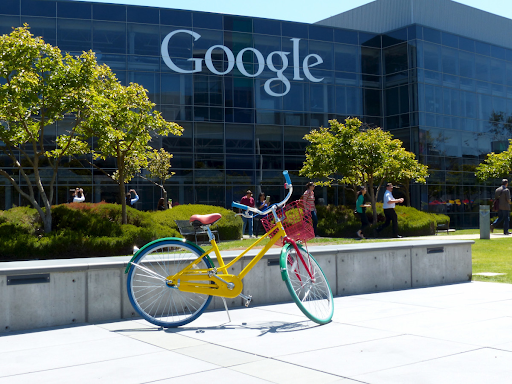
Picture credit: Roman Boed/www.pxhere.com
31