
The Hague, Netherlands – The Dutch government, now operating in a caretaker capacity following the withdrawal of Geert Wilders’ far-right PVV party from the coalition, is set to press ahead with new legislation aimed at limiting asylum. This decision, backed by a majority of Members of Parliament (MPs), underscores a commitment to “decisiveness” in addressing significant national and international challenges, as articulated by Prime Minister Dick Schoof. These challenges include immigration, the ongoing conflict in Ukraine, and the evolving global trade landscape influenced by Donald Trump’s tariff regime.
The cabinet’s collapse on Tuesday, triggered by Wilders’ exit, necessitates new elections, likely to be held in October. In the interim, MPs will identify “controversial” subjects that will be deferred until a new government is sworn in. However, during a parliamentary debate on Wednesday, a majority of parties indicated their willingness to allow Schoof’s remaining coalition—comprising the VVD, NSC, and BBB—to continue making decisions on migration policy. Henri Bontenbal, leader of the Christian Democrats (CDA), stressed the need for thorough scrutiny of any proposed bills, acknowledging the complexities of the situation.
The recent political upheaval stemmed from a clash over Wilders’ demand for rapid implementation of a “harshest asylum policy ever,” outlined in a 10-point plan that the other three coalition parties refused to sign. Wilders asserted he had “no choice” but to withdraw, claiming the cabinet, including PVV asylum minister Marjolein Faber, failed to deliver on his proposals during its 11-month tenure. He also indicated continued support for Ukraine, albeit with a caveat regarding the extent of that support.
Dilan Yesilgöz, leader of the right-wing liberal VVD, accused Wilders of using the asylum deadlock as a pretext to abandon his responsibilities, stating, “He didn’t want our signatures, he wanted a way out.” Yesilgöz, who had previously faced criticism for forming a coalition with the PVV despite her initial post-election stance, defended her decision, emphasizing that it was “the only cabinet in which I could get things done.” She further countered criticism from Frans Timmermans, leader of the left-wing opposition GroenLinks-PvdA, by accusing him of being out of touch with the concerns of ordinary voters.
Dutch Government Forges Ahead with Asylum Plans Despite Coalition Collapse, Prioritizing Decisiveness Amidst Political Turmoil
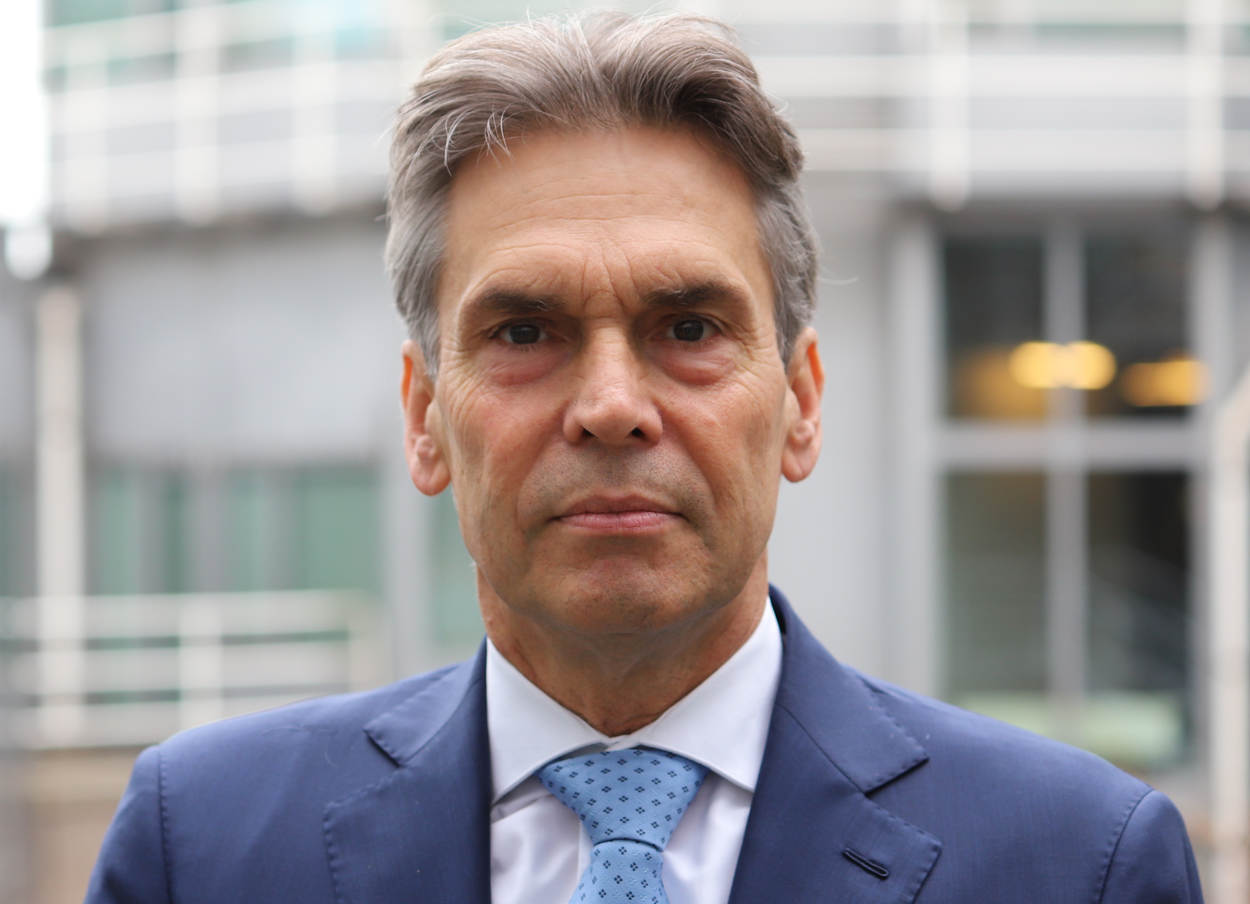
Picture Credit: commons.wikimedia.org
50