
In a significant pivot, US officials are quietly signaling that the enactment of major semiconductor tariffs, a centerpiece of the former President’s economic vision, will not happen on the aggressive timeline previously expected. This unexpected slowdown marks a crucial moment, as an assertive trade strategy gives way to a more cautious diplomatic approach in Washington. The administration is essentially buying time to assess the full geopolitical fallout.
Individuals briefed on internal government and industry communications have confirmed that stakeholders were recently informed of a more measured and deliberate process. According to insiders, the chief source of this administration-level hesitation is the acute worry that the immediate, sweeping imposition of tariffs could trigger a disastrous new trade conflict with China. This risk is currently seen as overriding the tariffs’ intended benefits.
Advisors are focusing heavily on the logistics of the global supply chain, fearing that rapid tariff implementation could immediately disrupt the provision of essential components. Specific concerns revolve around materials like rare earth minerals, which are vital inputs for US manufacturing. Officials have been clear that while the policy is not abandoned, the process is being intentionally slowed to avoid an instantaneous diplomatic breakdown with Beijing.
Publicly, the White House continues to project confidence, denying any change in its trade posture and insisting it remains committed to the goals of boosting domestic production and ensuring national security. However, the lack of a clear, published date for the implementation of these tariffs—a policy discussed since the early days of the Trump presidency—undermines their claims of business as usual.
The political dimension of this delay is undeniable. With US consumers highly sensitive to inflationary trends, adding a new tax on imported chips could increase the price of electronics just before the crucial year-end holiday shopping surge. Critically, the deferral helps preserve the delicate trade truce that President Trump worked to establish with China’s leader, Xi Jinping, during their recent engagements.
White House Blinks: Economic Fear Stops Immediate Chip Tariff Implementation
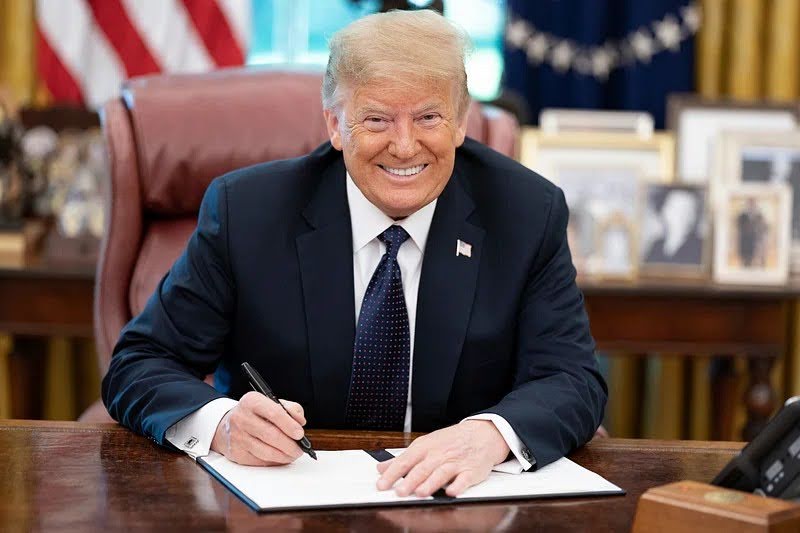
Picture Credit: www.rawpixel.com
15