
Three powerful forces — war, oil, and economic disruption — are converging to reshape the global outlook in 2026 in ways that were almost unimaginable at the year’s start. The conflict between Iran, the United States, and Israel has pushed oil from around $60 a barrel to nearly $100, and triggered emergency responses from governments and international bodies not seen in decades. Deutsche Bank is warning of a potential stagflationary shock, while Goldman Sachs has revised its price forecasts sharply higher.
Iranian forces struck merchant ships near the Strait of Hormuz on Thursday, including the Thai-registered Mayuree Naree, with three crew members reportedly trapped. Iraq halted all crude exports, Bahrain issued shelter-in-place orders after fuel tank attacks, and Oman cleared its Mina Al Fahal terminal following drone strikes. The strikes targeted economic infrastructure across Bahrain, Iraq, Oman, and the strait simultaneously.
Brent crude gained 9% Thursday to briefly touch $100.29 before settling at $98, while West Texas Intermediate rose 8.6% to $94.75. The price has climbed from $60 at the start of 2026 to a peak of $119 this week. The Strait of Hormuz has been closed since February 28, blocking approximately a fifth of global seaborne oil and gas flows.
The IEA released 400 million barrels of emergency crude in the largest coordinated action in its history. The US released 172 million barrels from its Strategic Petroleum Reserve. Despite the scale of intervention, markets remained unsettled as Iran continued to strike new targets and warned of $200 oil.
Goldman Sachs raised its Q4 2026 Brent forecast to $71 per barrel. Deutsche Bank warned of stagflation. Asian stocks fell and European gas prices climbed 7.7%.
War, Oil, and Economics: The Three Forces Reshaping 2026’s Global Outlook
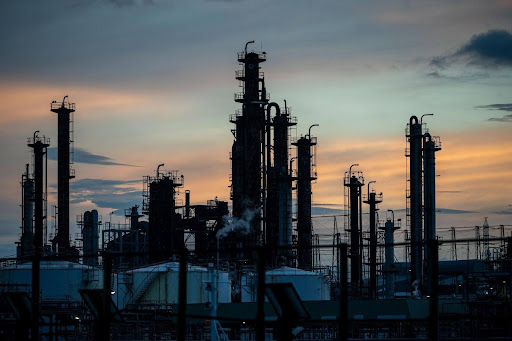
Picture Credit: www.freepik.com
2