
The legacy of a trade deal negotiated by Keir Starmer five months ago is casting a long and troubling shadow over the UK’s pharmaceutical industry. The agreement, which was celebrated for protecting the car and steel sectors, is now being scrutinized for its most significant shortcoming: the complete omission of pharmaceuticals, a decision that has left the sector dangerously exposed to new US tariffs.
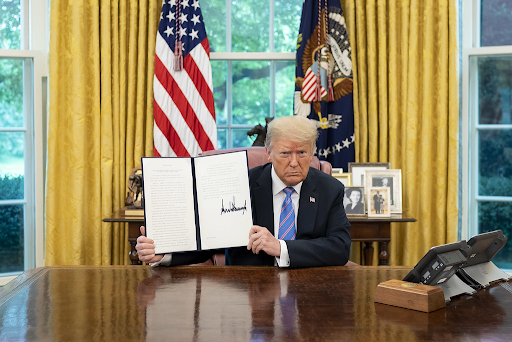
This oversight has now matured into a full-blown crisis. Donald Trump’s threat to impose a 100% duty on branded drugs is a direct consequence of that gap in the UK’s trade defenses. The current government is now saddled with the difficult task of addressing a vulnerability that was cemented in a previous administration’s signature deal.
A government spokesperson’s admission that the situation is “concerning for industry” is an understatement. The sector is a cornerstone of the UK economy, and its potential exclusion from the US market represents a major policy failure. The frantic, last-ditch diplomatic efforts now underway are a race to correct a mistake made months ago.
The situation highlights the perils of narrowly focused trade negotiations. While securing wins for the automotive and aerospace industries was a tangible success, the failure to provide a similar shield for an equally vital sector has proven to be a critical error. It serves as a lesson that in trade, what is left out of an agreement can be just as important as what is put in.
As the October 1st deadline approaches, the shortcomings of the Starmer-era deal are impossible to ignore. The UK’s pharmaceutical industry is now paying the price for a past negotiation that prioritized some sectors over others, leaving it to face the consequences of being left behind.
Keir Starmer’s Legacy: Past Deal’s Shortcomings Now Haunt UK Pharma
Picture Credit: www.flickr.com
30