
Despite UK inflation remaining above its 2% target, Bank of England Governor Andrew Bailey has strongly indicated that deeper interest rate cuts could be on the horizon if the job market significantly slows. This nuanced stance, acknowledging persistent inflationary pressures while eyeing potential easing, triggered a drop in the pound and fueled speculation of more substantial monetary action.
Inflation in the UK eased only slightly to 3.4% in May from 3.5% in April, still considerably higher than the central bank’s desired level. However, Bailey’s conviction that “the path is downward” for interest rates suggests a focus on the broader economic picture, particularly the emerging “slack” and the impact of higher taxes on employers. This indicates a pre-emptive approach to support economic activity even with elevated inflation.
The pound reacted swiftly to Bailey’s remarks, falling to $1.3467, its lowest level since June 23, before a slight recovery. The market’s interpretation was clear: a higher probability of an August rate cut, with money markets pricing in an 85% chance. This sharp increase in expectations reflects a shift in investor sentiment, anticipating a more accommodative stance from the Bank of England sooner rather than later.
The context for these potential cuts is a weakening economy, as evidenced by unexpected contractions in GDP for April and May. Furthermore, a recent KPMG report highlighted a significant downturn in hiring by UK businesses, marking the fastest pace of decline in nearly two years. These converging indicators suggest that while inflation remains a concern, the Bank of England is increasingly prioritizing the health of the labor market and broader economic stability.
Inflation Above Target, Yet BoE Chief Still Sees Deeper Rate Cuts Ahead
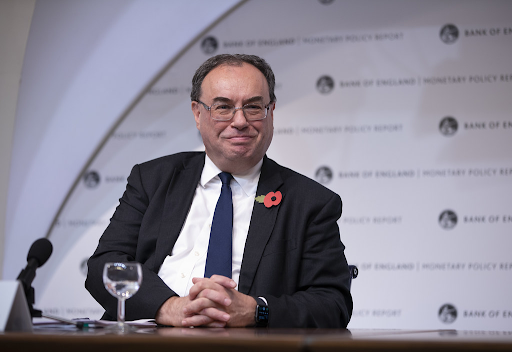
Picture Credit: www.flickr.com
38