
The workers of Scunthorpe needed good news, and British Steel’s announcement of a major Turkish rail contract has delivered it. The eight-figure deal with ERG International Group — covering 36,000 tonnes of rail for the 599km Ankara–İzmir high-speed railway — has created 23 new jobs, restarted 24-hour production, and given a much-needed commercial boost to a plant that has spent the past year under government control amid growing losses.
UK Export Finance supported the deal, reflecting the government’s interest in British Steel’s international success. The Ankara–İzmir railway is one of Turkey’s most ambitious infrastructure projects, designed to cut travel times and reduce carbon emissions — and Scunthorpe-made steel will be at its heart. It is the kind of contract that demonstrates the plant’s world-class capability and its continued relevance in global markets.
UK Steel praised the deal as “essential to underpinning a sustainable turnaround” while calling for the government to go further — with energy cost support, stronger import safeguards, and a comprehensive plan to address the structural challenges facing British Steel and the wider UK steel industry. The director general was clear: individual contracts, however significant, are not enough on their own.
The financial reality backs up that view. British Steel is losing £1.2 million a day under government control, with total costs now at £359 million. The plant’s Chinese owner tried to close it when losses were £700,000 a day — and they have since nearly doubled. Without a long-term plan, the risk of a return to crisis is real.
Scunthorpe needed the boost — and it got it. Now it needs the plan. The Turkish deal has bought time and generated optimism; what comes next must convert that optimism into a genuinely sustainable future for one of Britain’s most enduring and important industrial sites.
British Steel’s Turkish Rail Deal Is the Boost Scunthorpe Needed — Now It Needs a Plan
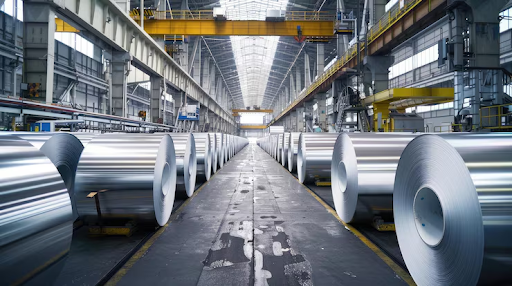
Picture Credit: www.freepik.com
1