
The European Parliament has taken decisive action by suspending the US trade agreement ratification process in response to President Trump’s threat of 10% tariffs conditional on European support for his Greenland acquisition. This move represents the most concrete material response Brussels has demonstrated against what European leaders have termed blackmail.
Trade committee chairman Bernd Lange established firm boundaries for future negotiations, declaring that threats involving Greenland must end before any possibility of compromise exists on the trade deal. The suspended agreement had promised to revolutionize American exports to Europe by establishing zero-percent tariffs on many industrial products.
Demonstrating selective cooperation, the European Union has explicitly maintained its substantial $750 billion (£560 billion) commitment to purchase American energy. Lange confirmed this massive energy arrangement operates independently from the tariff negotiations, showcasing Brussels’ strategic ability to compartmentalize different aspects of transatlantic relations. This preservation of the energy deal while suspending broader trade negotiations illustrates that Brussels can distinguish between defending political principles and maintaining critical energy security partnerships.
The diplomatic breakdown manifested when European Commission President Ursula von der Leyen altered her travel itinerary, returning to Brussels for emergency summit preparations rather than meeting Trump in Davos.
The Thursday evening summit will examine Brussels’ full toolkit of potential countermeasures, including deploying €93 billion worth of retaliatory tariffs and activating an unprecedented anti-coercion mechanism. Originally designed to counter Chinese pressure, this could restrict US companies from European market access.
$560 Billion Energy Commitment Demonstrates Selective Cooperation
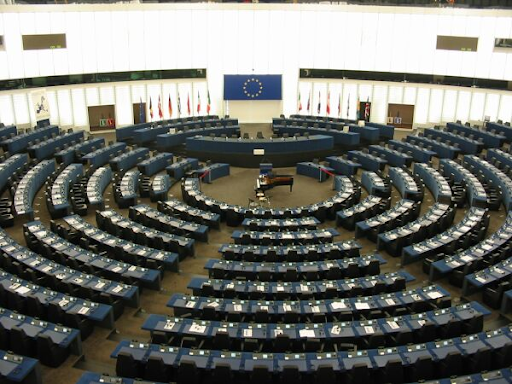
Photo by Cédric Puisney, via wikimedia commons
6