
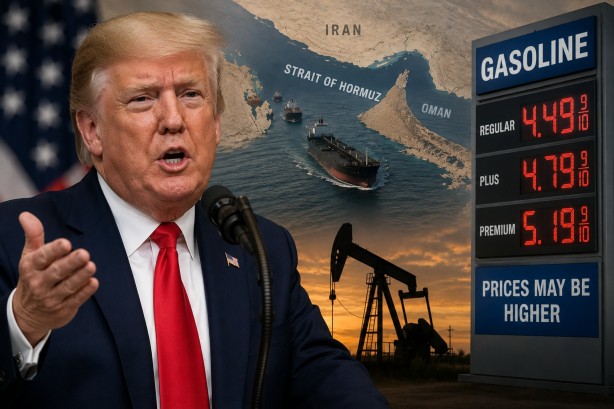
As tensions with Iran impact global oil routes, President Donald Trump has called on Americans to accept a rise in gasoline prices. Speaking at a New York rally, he framed the minor increase in fuel costs as a necessary trade-off to prevent Iran from acquiring nuclear weapons. Additionally, Trump suggested the possibility of declaring the Strait of Hormuz, a key shipping lane, as U.S. territory following a defeat of Iran.
The Iranian government, however, has dismissed Trump’s statements. Deputy Foreign Minister Kazem Gharibabadi emphasized that Iran would maintain control over the Strait of Hormuz, continuing its blockade until the U.S. acknowledges what he termed “the reality of its defeat.” Meanwhile, Iranian Foreign Minister Abbas Araghchi stated that negotiations with Washington have not resumed and conditioned the resumption of shipping on U.S. concessions.
The standoff has significantly affected tanker traffic through the Strait of Hormuz, a critical artery for global oil and natural gas exports. This disruption has led to an increase in crude prices, subsequently driving up fuel costs. American consumers are feeling the pinch, with the average gasoline price climbing to approximately $4.08 per gallon, marking a 29% rise from the previous year. Brent crude is also poised for a notable weekly gain.
In Iran, the economic repercussions are equally pronounced. President Masoud Pezeshkian has pointed to the U.S. blockade, alongside sanctions and limitations on oil exports, as catalysts for the country’s soaring inflation. Concurrently, the Trump administration has hinted at imposing more financial penalties on Tehran as diplomatic efforts to broker a ceasefire remain at an impasse.