
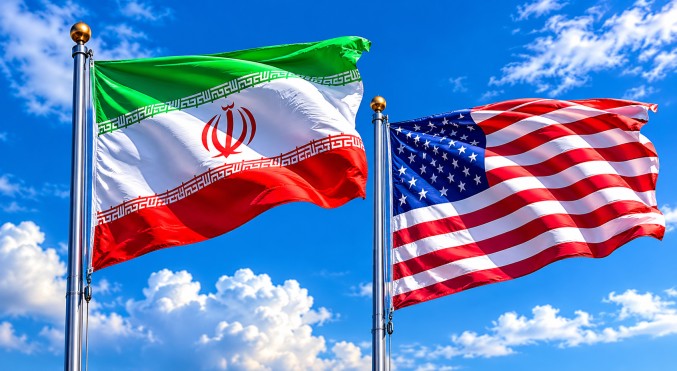
In a recent development, both Iran and the United States have expressed signs of limited progress in their ongoing negotiations, despite heightened tensions concerning potential renewed American military actions. Iranian officials indicated that the gap between the two nations has lessened in recent days. Talks have primarily centered on achieving a broader ceasefire and alleviating regional tensions. According to Esmail Baghaei, a spokesperson for Iran’s Foreign Ministry, the focus of current discussions is to halt hostilities, with nuclear-related issues set to be tackled subsequently.
US Secretary of State Marco Rubio confirmed that progress has been made in the diplomatic discussions, with the potential for further developments on the horizon. The United States has consistently maintained its stance that Iran must be prevented from acquiring nuclear weapons. Additionally, Washington has called for assurances regarding Iran’s uranium stockpiles and the reopening of the strategic Strait of Hormuz.
Amidst these talks, Iran’s parliamentary speaker, Mohammad Bagher Ghalibaf, cautioned that any resumption of US military strikes would be met with a heightened response from Iran. He also mentioned that Iran had restored portions of its military capabilities after weeks of conflict and a tenuous ceasefire.
Pakistan continues to play a mediating role between Tehran and Washington. Pakistan’s army chief has engaged in discussions with Iran’s senior leadership in Tehran, which officials have described as constructive. These discussions are part of efforts to arrange another round of direct negotiations between the two nations.
The diplomatic initiatives come at a time of increasing concern over the stability of the region, global energy supplies, and the potential for further escalation in the Middle East. As these negotiations proceed, the international community remains attentive to the outcomes and their implications for regional and global security.