
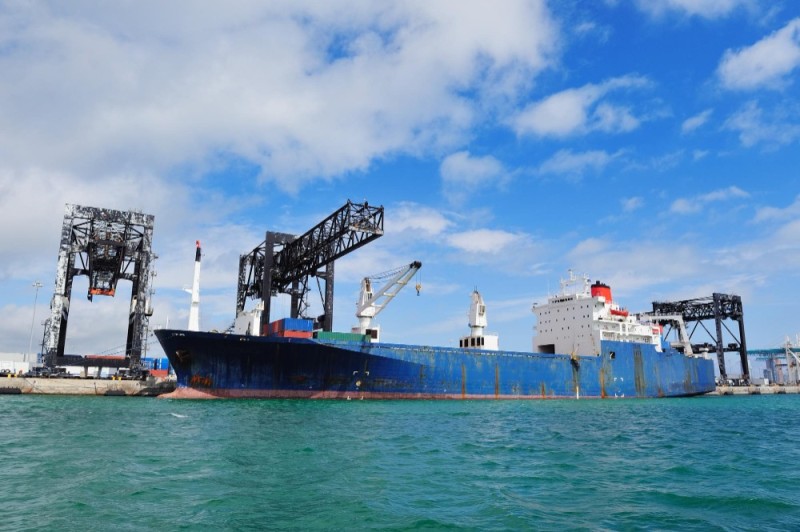
The Netherlands continues to import approximately 12% of its liquid natural gas (LNG) from Russia, despite a European Union commitment to cease all Russian gas imports by next year. This finding is part of a report by the Institute for Energy Economics and Financial Analysis, which highlights that the Netherlands is among five EU nations, including Belgium, France, Spain, and Portugal, still engaged in purchasing Russian LNG. Notably, Belgium received 40% of its gas from Russia in the first quarter of this year.
Determining the exact volume intended for the Dutch market poses challenges, as much of the LNG arriving at Rotterdam harbor is destined for other European countries. Jilles van den Beukel from The Hague Centre for Strategic Studies expressed surprise at the scale of these imports, calling them significantly larger than anticipated. The current import level is slightly reduced from 2025 when 13% of the Netherlands’ imports originated from Russia, yet it remains substantially lower than 2022, the year marking Russia’s full-scale invasion of Ukraine, when the figure stood at 34%.
The uptick in gas imports observed in 2025 has been attributed by climate and green growth minister Sophie Hermans to long-term contracts that are challenging to break. As a response to ongoing energy dependencies, the IEEFA urges European countries to scale up investments in renewable energy sources. This shift could potentially cut Europe’s gas consumption by 14% by 2030, thereby reducing demand by 23% and minimizing vulnerability to price hikes and supply disruptions.
Further complicating the EU’s stance, the bloc has set a ban on Russian gas imports by sea containers starting in 2027, with pipeline imports slated to stop next spring. To offset Russian supplies, the Netherlands and other European nations have increased LNG imports from the United States, which now accounts for 77% of their gas supply. However, Van den Beukel noted that geopolitical tensions, such as the closure of the Strait of Hormuz during conflicts between Iran and the USA, have hampered the EU’s efforts to eliminate Russian gas and have led to increased prices.
Van den Beukel expressed skepticism about the EU’s timeline for the ban, suggesting that Brussels might delay its implementation to avoid exacerbating already tight and expensive LNG markets while simultaneously trying not to bolster Russian finances. Balancing these priorities presents a complex challenge as Europe navigates its energy transition.