
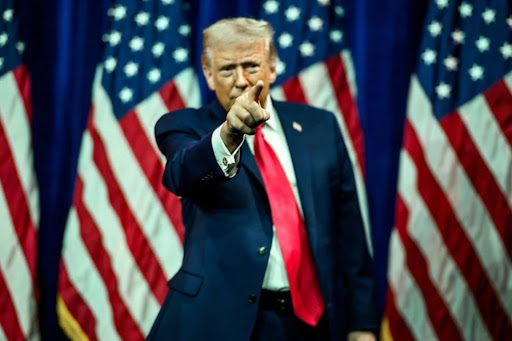
US President Donald Trump has issued a final ultimatum to Iranian leadership, signaling that the opportunity for a peaceful resolution is rapidly evaporating. In a forceful social media statement, Trump asserted that while Tehran’s negotiators are privately “begging” for a deal, they continue to project a false image of indifference to the public. He warned that if they do not “get serious” immediately, the conflict will escalate to a point of no return.
The backdrop to this warning is a month of high-intensity warfare that began in late February 2026, which has seen the reported destruction of much of Iran’s traditional military infrastructure. The Trump administration has proposed a comprehensive 15-point ceasefire plan that seeks to fundamentally reset the regional balance of power. This plan requires a complete halt to Iran’s nuclear program and the permanent reopening of the Strait of Hormuz.
Tehran’s response has been a mixture of public denial and private maneuvering, with state officials claiming they are only “looking at” the American proposal. However, the Iranian government has also floated its own counter-demands, including massive war reparations and a guarantee against future leadership targeting. The central sticking point remains the Strait of Hormuz, which Iran views as a sovereign waterway.
The human cost of the 2026 conflict is mounting daily, with over 1,500 people killed in Iran and 1,100 in Lebanon, alongside significant displacement. The United States has also faced tragedy, with 13 military personnel killed and hundreds more wounded in missile strikes across the Gulf. This violence has paralyzed regional energy exports, causing global oil prices to skyrocket and creating economic instability.
As the April 6 deadline for a breakthrough approaches, President Trump has indicated he is prepared to authorize strikes on Iran’s energy grid if the stalemate continues. He emphasized that the behavior of Iranian negotiators is the only thing standing between the current chaos and a potential peace. The international community now watches closely to see if the clerical regime will blink before the window for diplomacy slams shut.