
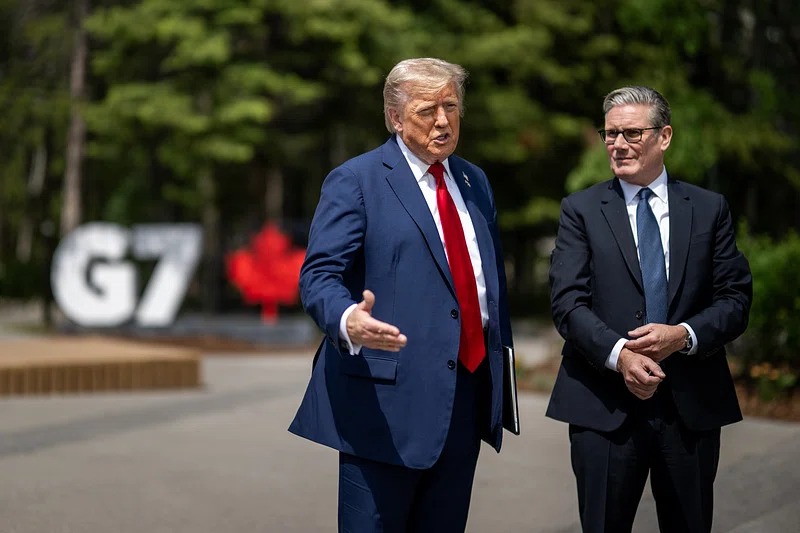
When the immediate crisis of the Iran conflict passes, Britain and the United States will face the task of rebuilding a relationship that has been publicly strained by the episode. That task will require effort on both sides — and a willingness to address, honestly, the questions that the conflict has raised.
For Britain, the task involves demonstrating that the episode was an anomaly rather than a preview. The government will need to show, through concrete actions and clear commitments, that it remains a reliable ally — one that can be counted on in moments of need, not just in calmer times. That demonstration will take time and will require decisions that carry real domestic political costs.
For the United States, the task involves recalibrating its expectations to reflect the political realities of governing democratic allies. Demanding unconditional and immediate support from governments that face genuine domestic political constraints is a strategy that risks making those constraints harder to manage — and that may ultimately weaken, rather than strengthen, the alliances on which American security depends.
The specific episode — Britain’s initial refusal, the American rebuke, the eventual limited cooperation, the dismissal of the carrier offer — will fade from the headlines. The questions it has raised about the nature of the special relationship, about the limits of allied obligation, and about the role of domestic politics in international commitments will not fade so easily.
Rebuilding the relationship is both necessary and possible. But it will require a more honest conversation about expectations and obligations than the two countries have had in recent years. The Iran conflict, for all its costs, may have made that conversation more likely to happen.