
Donald Trump declined to establish parameters for his Greenland acquisition strategy, offering only that answers would emerge shortly. His enigmatic statement during his first-year White House briefing has escalated European concerns about American territorial intentions toward the Danish Arctic possession.
Before departing for the World Economic Forum, Trump outlined his planned Greenland-focused meetings with European leadership at Davos. He projected optimism about negotiations yielding mutually beneficial results addressing NATO concerns while meeting American security needs. The president maintains that controlling Greenland represents vital national and global protective interests.
The president’s continued refusal to exclude military options has generated domestic and foreign criticism. Survey results demonstrate widespread American public rejection of forceful tactics, with some Republican legislators publicly voicing reservations. The controversy threatens foundational Western alliance relationships.
European officials have abandoned restrained language in opposing Trump’s territorial claims. Von der Leyen specifically criticized the announced tariffs on European nations with troops in Greenland, promising resolute and measured European responses. Her commitment signals a fundamental shift in transatlantic relations.
Multiple European leaders have outlined potential countermeasures, including France’s consideration of powerful trade retaliation tools and Poland’s rejection of appeasement strategies. Canada’s prime minister affirmed support for Greenlandic sovereignty while advocating diplomatic solutions over economic coercion. Trump dismissed concerns about Greenlandic self-determination, predicting enthusiastic local reception despite widespread protests opposing American control of the island.
Trump Maintains Greenland Pursuit Despite Unified European Warning of Economic Warfare
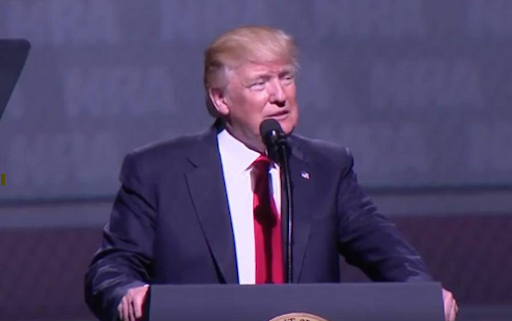
Picture Credit: www.picryl.com
70