
The 2025 Nobel Peace Prize decision fits a long-standing historical pattern: the Norwegian Nobel Committee frequently favors principled, long-term activism over the transient achievements of power politics. The victory of María Corina Machado over Donald Trump is a modern reaffirmation of this core tradition.
Looking back at past laureates, from Carl von Ossietzky to Aung San Suu Kyi, the committee has a rich history of honoring individuals who challenge authoritarianism from within, often at great personal risk. Machado, lauded for her “tireless work” for democracy in Venezuela, joins this esteemed lineage.
Donald Trump’s candidacy, based on specific foreign policy deals, represents a different category of nominee—the powerful statesman. While leaders like Theodore Roosevelt and Henry Kissinger have won, their awards have often been among the most controversial in the prize’s history. The committee seems to tread more carefully with such choices now.
The White House’s statement after the snub highlighted Trump’s deal-making prowess, vowing he would “continue making peace deals.” This framing aligns him with the statesman category, but his divisive style and “America First” rhetoric likely made him an unpalatable choice for a committee focused on global fraternity.
By selecting Machado, the committee has not made a radical choice but rather a deeply traditional one. It has reinforced the prize’s historical identity as a beacon for human rights and a testament to the power of individual conscience against the power of the state.
In Nobel’s History, Principled Activism Often Outshines Power Politics
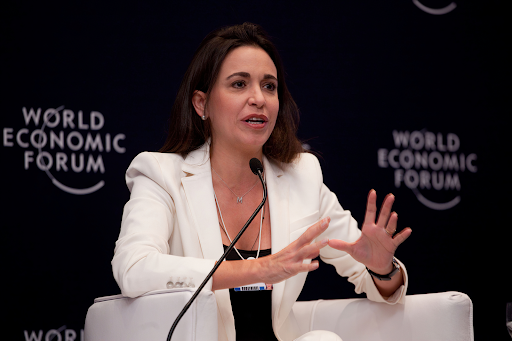
Picture Credit: www.commons.wikimedia.org
25