
A detailed American vision for a post-Hamas Gaza, featuring a transitional international government, will be the most contentious topic on the table as President Donald Trump meets with Israeli Prime Minister Benjamin Netanyahu on Monday. While both leaders agree on the need to remove the militant group from power, they are deeply divided on what should come next.
The U.S. peace plan, a 21-point proposal, looks beyond a simple ceasefire. It outlines a multi-stage process for Gaza’s future, beginning with the establishment of a “Gaza International Transitional Authority.” This UN-supported body, potentially led by a figure like former UK Prime Minister Tony Blair and funded by Gulf nations, would be tasked with rebuilding and stabilizing the war-torn territory.
The final stage of this vision involves handing control to a reformed Palestinian Authority (PA), a prospect that Prime Minister Netanyahu has vehemently and repeatedly rejected. He has publicly expressed his belief that the PA is incapable of being reformed and cannot be trusted with Israel’s security, creating a fundamental roadblock to the American plan.
This clash over the “day after” strategy is the biggest hurdle to a comprehensive agreement. The Trump administration and its Arab allies see a viable political path for Palestinians as essential for long-term peace. Netanyahu, haunted by the Hamas takeover of 2007, sees it as a recipe for future disaster.
As the two leaders meet, Trump’s challenge is not just to convince Netanyahu to stop the fighting, but to buy into a long-term political architecture that runs counter to the Israeli leader’s deepest instincts. Without an agreement on the future of Gaza, any deal to end the current war is likely to be built on sand.
The Vision for a Post-Hamas Gaza: U.S. Plan Faces Israeli Skepticism
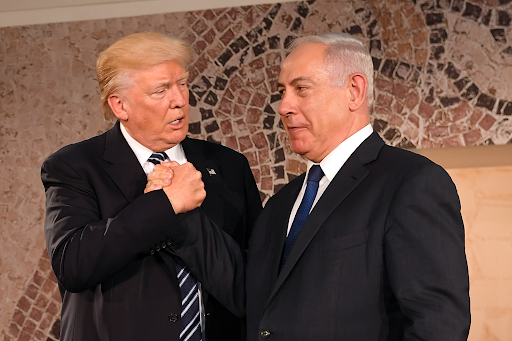
Picture Credit: commons.wikimedia.org
31