
For European industry, the US steel tariff regime has transformed from a static barrier into a never-ending threat. The revelation that Washington may review and expand its list of “derivative” products three times a year has created a state of perpetual anxiety, making stable business operations a near impossibility.
Unlike a one-time tariff increase, which businesses can eventually adapt to, a tri-annual review cycle institutionalizes uncertainty. It means that every few months, companies will have to brace for a new wave of potential costs, never knowing if their specific products will be added to the ever-growing list. This makes long-term investment and supply chain planning fraught with peril.
“It is very difficult to claim we have certainty,” lamented Luisa Santos of BusinessEurope, capturing the essence of the problem. This rolling threat prevents the market from ever reaching a stable equilibrium, keeping businesses constantly on the defensive. The new US consultation, ending September 29, is seen as just the first turn of this relentless cycle.
This environment forces companies into inefficient, short-term thinking. The practice of overpaying on duties, as seen in the German motorcycle sector, is a direct consequence. Businesses are willing to accept a known, recurring cost to mitigate the risk of a sudden, catastrophic penalty emerging from the next review.
Faced with this never-ending tariff threat, European industry is demanding a more permanent solution. The call from Eurofer for a “strong new trade measure” is a plea for a durable shield against a policy that threatens to inflict damage on a recurring basis, destabilizing the entire manufacturing sector.
The Never-Ending Tariff: EU Braces for Tri-Annual Reviews of US Steel Duties
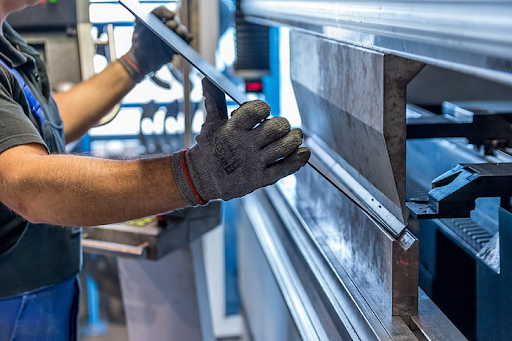
Picture Credit: www.pickpik.com
41