
Tesla’s new pay proposal for Elon Musk will be a case study for business schools for decades to come on the topic of risk management and human capital. The board is making a calculated, albeit colossal, wager that the potential reward of retaining Musk’s focused leadership outweighs the myriad risks associated with his controversial persona and divided attention.
The financial model of this wager is staggering. The company is risking a potential trillion-dollar-plus payout, shareholder controversy, and a precedent-setting shift in corporate governance. The return they are seeking is a near-octupling of the company’s value to $8.5 trillion, a gain of over $7 trillion for shareholders. This risk/reward ratio is arguably the largest ever presented to a public company’s investors.
The “human capital” risk is the most complex variable. On one hand, Musk has a proven track record of defying expectations. On the other, his other ventures (SpaceX, X) and political commentary create tangible business risks, as evidenced by a recent sales slump in Europe. The board has analyzed these factors and concluded that the risk of not having Musk at the helm is the greatest risk of all.
Ultimately, shareholders will be the final risk assessors. Their vote will determine whether they see this as a prudent investment in a one-of-a-kind asset or as a reckless gamble that concentrates too much power and reliance on a single, unpredictable individual. Their decision will be a landmark moment in the history of corporate risk management.
A Case Study in Risk: Tesla’s Trillion-Dollar Bet on a Singular Leader
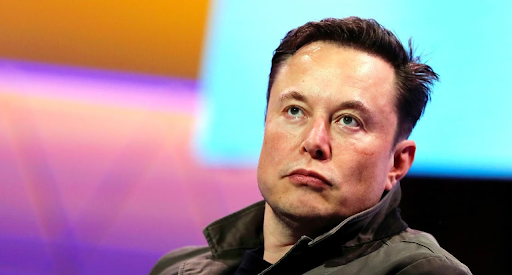
Picture Credit: www.heute.at
42