
The lawsuit filed by Elon Musk’s xAI against Apple and OpenAI is being watched closely as a potential precedent-setting case that could redefine the rules for partnerships in the technology sector. By challenging the legality of the Apple-OpenAI integration, Musk is forcing the legal system to draw a line between permissible collaboration and illegal monopoly.
At issue is whether a dominant platform holder like Apple can form a deep, exclusive partnership with a dominant service provider like OpenAI without violating antitrust laws. The lawsuit alleges this alliance is an “unlawful conspiracy” designed to foreclose competition, a claim that, if successful, could send a chilling effect through the industry and force a re-evaluation of countless other tech partnerships.
The outcome of this case could establish a new legal standard for how platform “gatekeepers” must behave. A ruling in Musk’s favor might require platforms like Apple’s iOS to offer a more neutral ground for competing services. Conversely, a loss for Musk could embolden tech giants to form even tighter, more exclusive alliances, further concentrating market power.
OpenAI has dismissed the suit’s premise, framing it as personal “harassment” from Musk. However, the legal questions it raises are of monumental importance. This is not just about Grok vs. ChatGPT; it’s a case that will set a precedent for the entire digital economy in the age of AI.
The Precedent Case: Musk’s Lawsuit Could Redefine Tech Partnerships
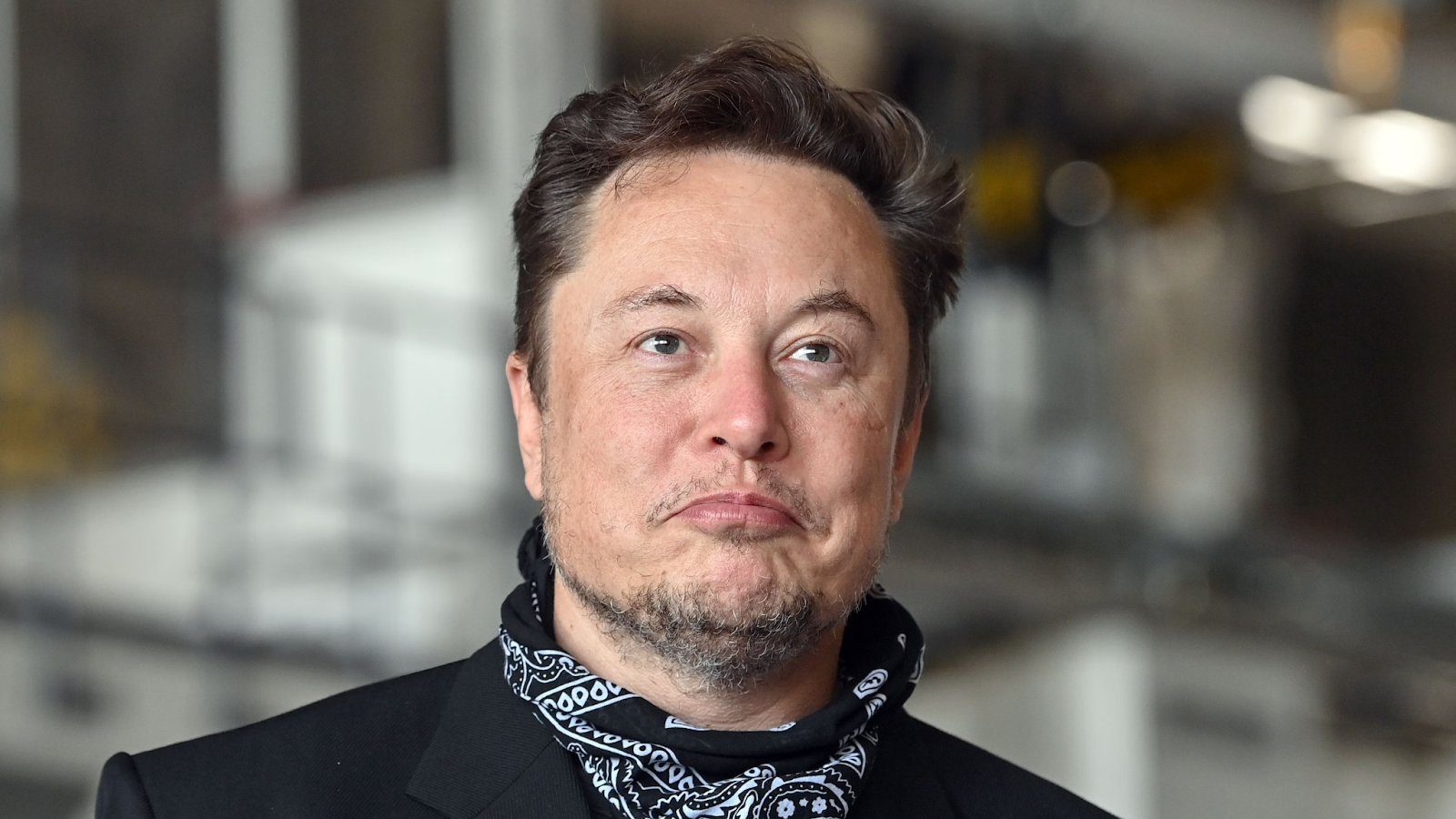
Picture Credit: www.heute.at
41