
From a taxpayer’s perspective, the discussion of a £2 billion deal to provide the nation with ChatGPT Plus raises a critical question about government spending priorities. That sum, which was ultimately deemed too high, could fund tens of thousands of public sector workers or significant infrastructure projects.
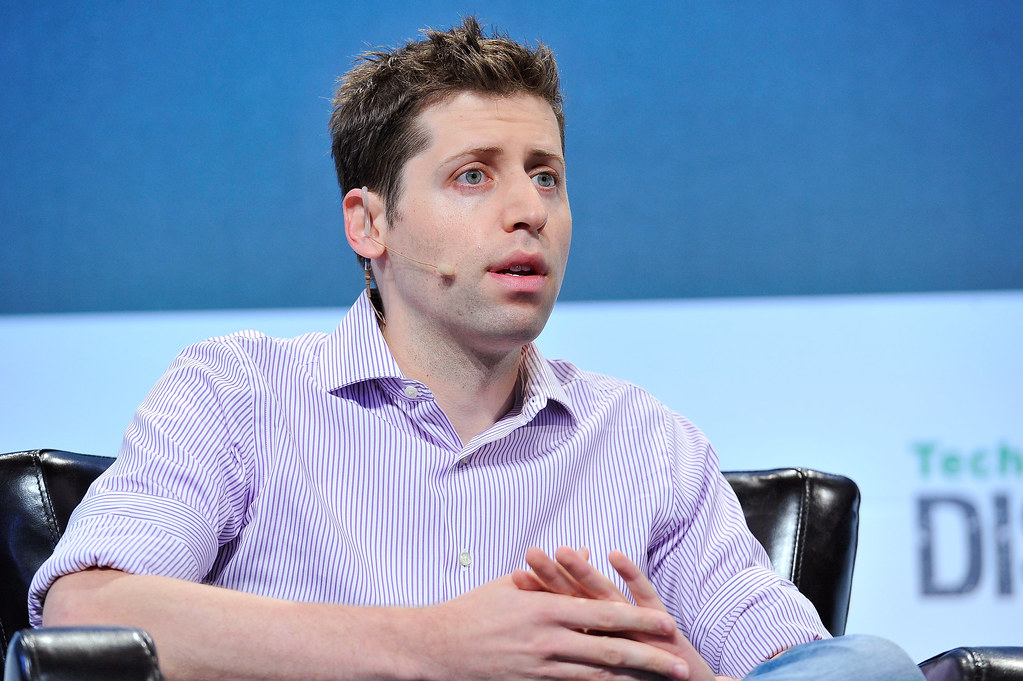
The proposal was floated in a meeting between UK Technology Secretary Peter Kyle and OpenAI CEO Sam Altman. The idea was to use public funds to give every citizen a premium AI subscription, an unprecedented investment in digital technology for the general population.
The debate over the deal’s value pits potential long-term economic gains against immediate, tangible needs. Proponents might argue that a £2 billion investment in AI skills could pay for itself through increased productivity and innovation. However, critics would point to underfunded public services as a more urgent destination for such a vast amount of money.
Ultimately, the government’s decision not to pursue the deal suggests that fiscal prudence won the day. For taxpayers, it serves as a sign that while the government is eager to embrace the future, it remains, for now, accountable to the significant, real-world cost of its ambitions.
Taxpayers’ £2 Billion Question: Was National ChatGPT Deal a Wise Use of Funds
Picture Credit: www.flickr.com
34