
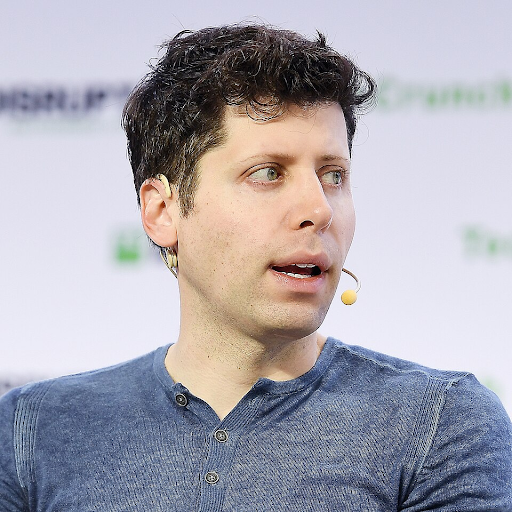
Sam Altman, the prominent CEO of OpenAI, has delivered a significant reality check to the public regarding artificial intelligence: do not over-trust tools like ChatGPT. In the debut episode of OpenAI’s official podcast, Altman candidly discussed the phenomenon of “AI hallucination,” where the technology confidently presents false or irrelevant information. He expressed surprise at the “very high degree of trust” many users already place in these systems.
“It’s not super reliable,” Altman admitted, urging users to be realistic about AI’s current limitations. This transparency from an industry leader is critical for fostering responsible AI adoption. The inherent unreliability, despite impressive linguistic capabilities, means users must approach AI-generated content with a discerning eye, especially for critical decisions or information.
To illustrate the pervasive nature of AI, Altman shared a personal insight, detailing how he uses ChatGPT for mundane tasks, such as researching solutions for diaper rashes or optimal baby nap routines. This personal example, while highlighting convenience, also implicitly underscores the need for caution and verification when applying AI advice to real-world situations.
Beyond the technical accuracy, Altman also addressed growing privacy concerns within OpenAI, particularly in light of discussions about an ad-supported model. This coincides with legal challenges, notably The New York Times’ lawsuit alleging intellectual property infringement. Furthermore, Altman signaled a pivot in his perspective on hardware, now contending that current computer designs are inadequate for an AI-dominant future, necessitating the development of new, specialized devices.